Gina Rinehart inherited control of Hancock Prospecting and grew its mining interests by developing major iron ore projects.
Gina Rinehart took over Hancock Prospecting in 1992 after her father's death. Earlier mines had paid royalties to the family business for ore extracted from deposits it helped discover. Under Rinehart, Hancock also took ownership stakes in mines it developed.
At Hope Downs, Hancock partnered with Rio Tinto to bring mines into production. Hancock also developed Roy Hill, where it held a majority stake. Roy Hill sent out its first shipment of iron ore in December 2015, turning another set of mining rights into an export business.
Milestones
Takes over Hancock Prospecting Rinehart becomes executive chairman following the death of her father, Lang Hancock. [1]
Partners with Rio Tinto at Hope Downs Hancock and Rio Tinto form a joint venture to develop the iron ore deposits. [1]
Ships the first iron ore from Roy Hill The mine's first shipment leaves Port Hedland in Western Australia. [2]
Zhong's fortune grew from his ownership of Nongfu Spring and his investment in vaccine and diagnostics producer Wantai.
Zhong Shanshan set up the company that became Nongfu Spring in 1996. Its first product was bottled water from Thousand-Island Lake in Zhejiang. The business diversified into juice, functional drinks, and tea before listing its shares in Hong Kong.
Zhong built a second business interest in health care through Yangshengtang, which he had founded earlier. He chaired Beijing Wantai Biological Pharmacy from 2001 to 2021. Wantai's listing in Shanghai and Nongfu Spring's listing in Hong Kong gave his two major holdings publicly traded share prices in 2020.
Milestones
The bottling business begins Zhong establishes the predecessor to Nongfu Spring in Zhejiang. [1]
The first bottled water goes on sale Nongfu Spring launches its first bottled water using a source at Thousand-Island Lake. [1]
Nongfu Spring lists in Hong Kong The company's shares begin trading on the Hong Kong Stock Exchange on September 8. [2]
Ma Huateng built his fortune through his stake in Tencent, the technology company he co-founded.
Ma, also known as Pony Ma, worked on internet paging systems before co-founding Tencent. The young company released QQ, an instant messenger that became an early example of how Tencent could build services around an audience that returned regularly.
Tencent later introduced Weixin and WeChat for mobile users. The messaging platform added features such as payments and mini programs, while the company also developed a large games business.
Milestones
Co-founds Tencent Ma helped start Tencent after working in telecoms research and development. [1]
Releases QQ Tencent launched its instant messaging service in February. [2]
Expands into mobile messaging Tencent launched the messaging platform that includes Weixin and WeChat. [3]
Lei Jun's fortune is tied to his ownership in Xiaomi, the smartphone and consumer electronics company he co-founded.
Xiaomi's Mi-One handset in 2011, the year Xiaomi introduced its first phone. Krisflyer777 · Image source ·
CC BY-SA 3.0 ·
Resized and converted to WebP
Lei worked at software company Kingsoft and founded the online retailer Joyo.com, which Amazon bought in 2004. He and his co-founders started Xiaomi in 2010, building a business in smartphones and connected consumer devices.
Xiaomi listed in Hong Kong in 2018. It subsequently moved into electric vehicles and launched the SU7 sedan in 2024, extending its business beyond phones and other electronics.
Milestones
Co-founds Xiaomi Lei Jun and his co-founders started the consumer technology company. [1]
Lists Xiaomi in Hong Kong Xiaomi shares began trading on the Hong Kong Stock Exchange. [2]
Launches the first Xiaomi car The company released its SU7 electric sedan in China. [3]
Bernard Arnault built his fortune by acquiring stakes in luxury businesses and expanding LVMH, in which his family holds a controlling interest.
A page from Louis Vuitton's 1892 catalog shows how to set up a trunk that converts into a bed. Louis Vuitton Archives · Image source ·
Public domain ·
Resized and converted to WebP
Arnault started as an engineer in his family's construction business. In 1984, he and a group of investors acquired Boussac, which owned Christian Dior. Five years later he became the leading shareholder of LVMH, the group formed by the merger of Louis Vuitton and Moët Hennessy.
Under Arnault, LVMH expanded well beyond its original fashion, wine and spirits businesses. It acquired labels such as Loewe and Celine in leather goods and Tiffany & Co. in jewelry. As LVMH grew, the Arnault family kept control through its holdings, including Christian Dior SE.
Milestones
Acquires Boussac with other investors The deal brings Christian Dior into Arnault's portfolio. [2]
Takes control of LVMH Arnault becomes the group's leading shareholder and takes over as chairman and CEO. [1]
LVMH acquires Tiffany & Co. The purchase adds the New York jeweler to the group's luxury portfolio. [3]
Françoise Bettencourt Meyers inherited part of the founding family's stake in L'Oréal, where her holdings include shares held through the family company Téthys.
Bettencourt Meyers is the granddaughter of L'Oréal founder Eugène Schueller. She joined the cosmetics company's board in 1997 and began chairing Téthys in 2012. After her mother's death in 2017, L'Oréal reported that her individual stake had increased as the family redistributed its holdings.
She left the L'Oréal board in 2025 after 28 years. The company's year-end filing continued to list shares that she held personally and through companies she and her family controlled.
Milestones
Joined L'Oréal's board Bettencourt Meyers became a director of the cosmetics company her grandfather founded. [1]
Inherited L'Oréal shares The redistribution of her mother's holdings increased her individual voting stake. [2]
Left L'Oréal's board Her board term ended after she chose not to seek another one. [3]
Dieter Schwarz built his fortune by expanding a family grocery wholesaler into the retail group behind Lidl and Kaufland.
Schwarz worked in his father's grocery business before developing a discount store format. The first Lidl store opened in Ludwigshafen in 1973. He took sole charge of the company after his father's death in 1977.
Lidl expanded with smaller discount stores, while Kaufland offered larger stores with a broader assortment. Lidl opened its first store outside Germany in France in 1989, taking the discount model beyond its home market.
Milestones
Opens the first Lidl The discount chain opened its first location in Ludwigshafen-Mundenheim. [1]
Takes charge of the family business Schwarz assumed sole leadership after the death of his father, Josef. [2]
Expands Lidl into France The chain opened a store in Sarreguemines, its first outside Germany. [1]
Li Ka-shing built his fortune through Cheung Kong, which expanded from plastics manufacturing into property and international infrastructure.
Li began in manufacturing and established Cheung Kong Industries in 1950. He moved into Hong Kong property development as the city grew and listed his property company on the Hong Kong stock exchange in 1972.
Cheung Kong's acquisition of a stake in Hutchison Whampoa in the late 1970s gave Li a base for expanding beyond property. The group eventually operated in ports, retail, infrastructure, and telecommunications.
Milestones
Founds a plastics manufacturer Li established Cheung Kong Industries and used injection molding to make plastic goods. [1]
Lists Cheung Kong Holdings Li took his property company public on the Hong Kong stock exchange. [1]
Steps down as group chairman Li retired as chairman of the Cheung Kong Group and turned his attention to his foundation. [1]
Mukesh Ambani's wealth comes from the family stake in Reliance Industries, which he expanded from its industrial base into retail and telecommunications.
Ambani joined the business founded by his father, Dhirubhai Ambani, in 1981. He led development of the Jamnagar refinery complex in Gujarat. After his father's death and a family agreement to separate the businesses, he retained control of Reliance Industries.
The refinery remained central to Reliance as Ambani expanded the group into businesses that sold directly to consumers. Reliance entered retail in 2006 and launched Jio's mobile service in 2016. The new network made mobile connectivity a major business alongside the group's factories and refineries.
Milestones
Joins the family business Ambani begins working at Reliance, which his father founded. [1]
Retains Reliance Industries in the family split Mukesh and his brother Anil agree to divide control of the Reliance group businesses. [2]
Launches Jio's commercial mobile service Reliance begins offering mobile service through its new network. [3]
Gautam Adani's wealth comes from stakes in the businesses of Adani Group, which grew from commodity trading into infrastructure and industry.
Adani worked as a diamond sorter before he founded Adani Exports in Ahmedabad. The company's business changed as it built port infrastructure at Mundra in Gujarat, where its first two multipurpose berths began operating in 1998.
The group expanded beyond shipping and trading into power generation and other infrastructure. Its 2022 purchase of Holcim's Indian cement interests brought stakes in Ambuja Cements and ACC into the portfolio.
Milestones
Starts Adani Exports Adani founded a commodity trading business in Ahmedabad. [1]
Opens the first berths at Mundra The first two multipurpose berths at the port began taking ships. [1]
Acquires Holcim's Indian cement interests The Adani group bought Holcim's stakes in Ambuja Cements and ACC. [3]
Tadashi Yanai built his fortune through his stake in Fast Retailing, the company behind Uniqlo.
A Uniqlo store in Osaka photographed in April 2005. MASA · Image source ·
CC BY-SA 3.0 ·
Resized and converted to WebP
Yanai joined the men's clothing business his father started in Ube, Japan. The company moved into casual clothing with the first Uniqlo shop in Hiroshima in 1984. Yanai took over as president later that year.
The business changed its name to Fast Retailing and expanded beyond Japan, starting with a store in London. Yanai's stake in the parent company tied his wealth to the growth of the retail group.
Milestones
Joins the family clothing business Yanai started working at the company that later became Fast Retailing. [1]
Opens the first Uniqlo The Hiroshima shop took the business into casual wear. Yanai became president the same year. [2]
Opens a store outside Japan Uniqlo began its overseas expansion in London. [2]
Carlos Slim built his fortune by acquiring stakes in Mexican businesses, including the telephone holdings that became the basis of América Móvil.
Slim founded a brokerage in 1965 and assembled the business holdings that became Grupo Carso. When Mexico privatized its national phone company in 1990, Carso joined Southwestern Bell and France Télécom in the winning bid for control of Telmex.
In 2000, Telmex shareholders approved the separation of its wireless and much of its international business into América Móvil. Slim and his family remained major shareholders. América Móvil expanded through acquisitions and by growing its existing operations across the Americas.
Milestones
Founds Inversora Bursátil Slim sets up a brokerage that becomes part of his growing investment group. [1]
Wins the bid for control of Telmex Grupo Carso and its partners buy a controlling block of Telmex shares from the Mexican government. [2]
América Móvil splits from Telmex Telmex shareholders approve a transaction that creates an independent wireless and international business. [3]
Dangote built his fortune by turning a commodities trading business into a manufacturing group anchored by cement.
Aliko Dangote founded Dangote Industries as a trading company in 1981. It imported goods such as rice, sugar, and cement, then moved into bagging bulk cement locally. The group acquired existing cement businesses and built a plant at Obajana to expand into production.
Dangote's cement company listed in Nigeria in 2010, while he retained control through the parent group. The group carried its manufacturing strategy into oil refining, commissioning a facility in the Lekki area of Lagos in 2023.
Milestones
Dangote Industries starts trading The new business imports cement and everyday commodities for distribution in Nigeria. [1]
Obajana begins producing cement The plant opens in Kogi State with two production lines. [1]
The Lekki refinery is inaugurated Nigeria's president inaugurates the group's refinery and petrochemical complex in Lagos. [3]
Zhang Yiming built his fortune through his stake in ByteDance, the company he co-founded and that developed Douyin and TikTok.
Zhang worked at several technology companies and started a property search engine before founding ByteDance with Rubo Liang. One of their first products was Toutiao, a news app that used recommendations to match articles to readers.
The company expanded into short video with Douyin in China and TikTok abroad. It folded Musical.ly into TikTok in 2018. Zhang led ByteDance as chief executive until 2021, when Liang took over.
Milestones
Co-founds ByteDance Zhang and Rubo Liang started the company in Beijing. Toutiao launched later that year. [1]
Launches Douyin ByteDance introduced its short-video app in China. [2]
Hands over the chief executive role Rubo Liang succeeded Zhang as ByteDance chief executive. [1]
Eduardo Saverin's fortune originated with his ownership stake in Facebook, which he helped start and finance.
Saverin helped found Facebook while at Harvard and supplied early funding. The business grew into a global social network and went public in 2012. A securities filing from that year documented his holdings in the company.
Saverin later co-founded B Capital with investor Raj Ganguly. The firm invests in technology companies across several stages, from early funding to growth capital.
Milestones
Helps start Facebook Saverin was a co-founder and early investor in the social network. [1]
Discloses ownership at Facebook's IPO Saverin filed a statement of beneficial ownership as Facebook prepared to begin public trading. [2]
Founds B Capital Saverin and Raj Ganguly established the technology investment firm. [3]
Ortega built his fortune through a controlling stake in Inditex, the fashion group that grew out of Zara.
The site of the first Zara shop, which opened on Calle Juan Flórez in A Coruña in 1975. Photograph from 2012. Nemigo · Image source ·
Public domain ·
Resized and converted to WebP
Amancio Ortega began in garment manufacturing in A Coruña, Spain. In 1975, he and Rosalía Mera opened the first Zara store. Selling directly brought the company closer to customers, whose purchases and feedback could inform what went into the next production run.
Inditex grew by extending that approach across multiple retail brands. Its design teams adjust collections based on sales and store feedback, while short production runs and regular deliveries let stores change what they carry through the season. Inditex went public in 2001, and Ortega retained a controlling stake.
Milestones
Zara opens its first shop Ortega's garment business moves into retail with a store in A Coruña. [1]
Inditex is formed The new group brings its retail and manufacturing businesses under one parent company. [1]
Inditex goes public Shares in the fashion group begin trading on Spanish stock exchanges. [2]
Aponte built Mediterranean Shipping Company from a one-ship operation into one of the world's largest shipping groups.
The MSC Pamela in the Port of Rotterdam in July 2007, several decades into the company the Apontes founded. Alf van Beem · Image source ·
CC0 ·
Resized and converted to WebP
After working at sea and spending several years in banking, he started MSC in 1970 with a conventional cargo ship, the MV Patricia. He built a fleet and developed regular routes as container shipping expanded.
The group added cruises, port terminals, and inland logistics. In 2026 the family announced that ownership had passed to his children Diego and Alexa.
Milestones
Aponte starts MSC with the MV Patricia One vessel forms the basis for the family's shipping business. [2]
The family transfers MSC ownership Aponte's two children formally take ownership of the group. [2]
Kühne's fortune came from expanding the family freight forwarder Kuehne+Nagel and investing in other transport businesses.
He joined the family company in 1958 and rose into leadership as modern container shipping changed international trade. Kuehne+Nagel grew into a global business arranging sea freight, air cargo, and logistics.
After giving up day-to-day management he stayed involved as a shareholder and honorary chairman. His foundation also established Kühne Logistics University in Hamburg. He died in 2026.
Milestones
Kühne joins the family freight forwarder He begins the career that eventually takes him to the top of Kuehne+Nagel. [1]
Timchenko built a fortune trading oil and investing in Russian energy companies.
He and Torbjörn Törnqvist co-founded Gunvor in 2000. Its early business moved Russian oil and petroleum products to international buyers, then traded increasingly across other markets.
Timchenko sold his share in Gunvor to Törnqvist in March 2014. His other energy investments included a position in natural gas producer Novatek.
Milestones
Timchenko co-founds Gunvor The business grows out of trading oil and petroleum products. [1]
Timchenko sells his Gunvor holding His co-founder buys the stake. [2]
Platt built his fortune through BlueCrest Capital Management, the hedge fund firm he co-founded.
BlueCrest started in 2000 and grew into a large firm managing money for outside investors. Its trading included strategies that took positions in interest rates and other global markets.
In 2015 Platt decided to return clients' capital. BlueCrest continued trading with money from insiders, changing how the firm's returns flowed to its owners and employees.
Milestones
BlueCrest returns outside investors' capital The firm shifts to managing money for insiders. [1]
Lemann built his fortune in investment banking and then through ownership stakes in international consumer companies.
The Stella Artois brewery in Leuven in 2007, after the Interbrew and AmBev combination and before InBev bought Anheuser-Busch. Steven Fruitsmaak · Image source ·
CC BY-SA 3.0 ·
Resized and converted to WebP
He started Banco Garantia in Brazil in 1971. After the investment banking business was sold, he moved further into consumer companies, including the Brazilian brewer AmBev.
Lemann became a founding partner of 3G Capital. His later holdings included interests in the companies behind Budweiser, Burger King, and Kraft Heinz.
Milestones
Lemann starts Banco Garantia The Brazilian bank becomes the first major business of his investing career. [1]
Usmanov built a fortune through holdings in mining, steel, and telecommunications.
His industrial holdings include Metalloinvest, which produces iron ore and steel. He also built a position in Russian telecommunications through MegaFon.
The businesses were brought under USM, a holding group in which he is a leading shareholder. The portfolio links the industrial side of his fortune with investments in technology and communications.
Milestones
USM is established The holding company brings together investments across several industries. [1]
Bertarelli led his family's drugmaker Serono before its sale to Germany's Merck.
Alinghi's SUI 100 yacht at its Valencia base in May 2007. The boat won that year's America's Cup. Alexander Ott · Image source ·
CC BY-SA 3.0 ·
Resized and converted to WebP
He became chief executive in 1996 and steered the company toward biotechnology. Serono listed in New York in 2000 as its business expanded beyond its Swiss base.
After the 2007 sale he invested through the family's investment businesses. A separate pursuit took him into competitive sailing, where his Alinghi team won the America's Cup in 2003 and again in 2007.
Milestones
Bertarelli becomes Serono chief executive He leads the family's company through its expansion in biotechnology. [1]
Merck acquires Serono The sale marks the end of Bertarelli's tenure as chief executive. [2]
Hagen built his fortune by founding Viking, the river and ocean cruise operator.
He worked in cruising before starting Viking in 1997 with four river vessels. The business developed around itineraries where the places visited and shore excursions were central to the trip.
Viking later moved out to sea with purpose-built ocean ships. It went public in New York in 2024 after expanding into multiple kinds of cruising.
Milestones
Hagen starts Viking with four vessels He builds the company around river cruising. [1]
Viking goes public The cruise operator lists on the New York Stock Exchange. [2]
Hans-Adam II's wealth is tied to the assets of Liechtenstein's princely house, including the group that controls LGT Bank.
Before succeeding his father as reigning prince in 1989, he had already acted as his father's deputy. In 2004 he delegated the exercise of his powers as head of state to his son, Hereditary Prince Alois.
The princely family's banking interests sit in a foundation structure. LGT's bond disclosures identify Hans-Adam as a beneficiary of the foundation that controls the bank.
Milestones
Hans-Adam succeeds his father He becomes the reigning prince of Liechtenstein. [1]
Von Finck's wealth came from her family's investments and an inheritance from her husband, August von Finck Jr.
The Merck Finck bank headquarters in Munich, built in 1957-58 and photographed in 2007. The von Finck family sold the bank in 1990. Dallimfc · Image source ·
Public domain ·
Resized and converted to WebP
In 2002 SGS identified her among the family members who voted together and crossed a 20 percent shareholding disclosure threshold. The Swiss testing and inspection business was a listed investment in a portfolio that grew out of German private banking.
SGS reported that the family had reduced that stake in 2020. After August died in 2021, Forbes attributed the inherited fortune to Francine and their four children.
Milestones
SGS names Francine von Finck in a family shareholder group The group discloses that its holdings have passed 20 percent of SGS voting rights. [3]
The family inherits August von Finck Jr.'s fortune Forbes identifies his widow and children as the heirs. [1]
Glasenberg became wealthy through his stake in Glencore, the commodity trader he led for nearly two decades.
Flotation equipment at Glencore Xstrata's lead and zinc plant in Mount Isa, Australia. The photograph was published in 2013. Xstrata Technology · Image source ·
CC BY-SA 3.0 ·
Resized and converted to WebP
He joined in 1984 as a coal marketer in South Africa and worked in Asia before taking charge of the coal department. In 2002 he became chief executive.
While he was chief executive, Glencore went public in London and Hong Kong and then bought mining group Xstrata. Combining the two businesses put large mining operations and a global commodity trading network inside one company.
Milestones
Glasenberg becomes Glencore chief executive He takes the top job after leading coal trading. [1]
Glencore completes the Xstrata acquisition The deal greatly expands its mine ownership. [2]
Kantor's fortune came primarily from a controlling interest in Russian fertilizer producer Acron.
Acron was incorporated in 1992 out of the state-owned Novgorod chemical producer Azot. It made agricultural fertilizers and other chemical products at sites that became part of a broader industrial group.
Kantor held his interest through investment vehicles. Acron's 2009 financial statements identified him as the ultimate controller behind its parent company.
Milestones
Acron names Kantor as its ultimate controller Its interim financial statements describe the ownership behind the fertilizer maker. [1]
Martullo-Blocher runs EMS-Chemie and is a majority shareholder together with her sister Rahel.
She joined the company's board in 2001 and took over as chief executive in 2004. EMS makes high-performance plastics used in applications such as lighter components for cars.
The sisters hold their controlling interest through investment companies. Alongside her business career Martullo-Blocher was elected to the Swiss National Council.
Milestones
Martullo-Blocher takes charge of EMS She becomes chief executive and vice-chair of the family chemicals group. [2]
Schmidheiny's fortune is tied to Holcim, the cement company in which his family held a controlling interest.
The Holderbank cement works on the Aare in May 1964. The company later took the name Holcim. Werner Friedli, ETH Library Image Archive · Image source ·
CC BY-SA 4.0 ·
Resized and converted to WebP
He started his career at a cement producer in Mexico and joined the executive committee of the business then known as Holderbank in 1976. He spent decades in leadership as the company expanded internationally.
Holderbank took the Holcim name in 2001. Schmidheiny remained on the board through 2018, including through the combination with French rival Lafarge.
Milestones
Schmidheiny joins Holderbank's executive committee He moves into leadership at the Swiss cement maker that becomes Holcim. [1]
Sonnenberg's fortune came from building up Hunter Douglas, a window-coverings manufacturer with roots in his father's business.
The group makes products such as blinds and shades and sells architectural products. Sonnenberg led the growth of the family interest in a business with operations in Europe and North America.
In late 2021 he agreed to sell control to 3G Capital. The family's investment vehicle retained a minority stake under the terms of the deal.
Milestones
Sonnenberg agrees to sell control of Hunter Douglas The announcement sets out the terms of 3G Capital's acquisition. [1]
Bertarelli's fortune comes from her family's biotechnology business, Serono, and later investments.
Dona Bertarelli at the helm of Spindrift 2 during the team’s record-winning Transat Québec Saint-Malo race in 2016. Chris Schmid · Image source ·
CC BY-SA 4.0 ·
Resized and converted to WebP
At Serono she worked on philanthropy and education initiatives, including programs connected to reproductive health. The family sold Serono to Merck in 2007 and went on to invest the proceeds.
Bertarelli founded a professional sailing team with Yann Guichard in 2011 and joined its crew for a round-the-world attempt. She has also used the family foundation and her own initiatives to support marine conservation.
Milestones
Bertarelli co-founds the Spindrift sailing team The team later takes the name Sails of Change. [1]
Bertarelli completes a round-the-world sailing attempt She establishes a women's benchmark for the circumnavigation. [1]
Castel built an international drinks business with his brothers and sisters, starting with wine in Bordeaux.
The nine siblings founded Castel Frères in 1949 to trade wine. They began selling into African markets and eventually acquired businesses in beer, soft drinks, and water.
A turning point was the purchase of Brasseries et Glacières Internationales in 1990. It gave the group a brewery network across several countries and broadened the business far beyond its original wine trade.
Milestones
The Castel siblings start a wine business Pierre and his eight siblings establish the group in Bordeaux. [2]
Castel buys BGI The purchase adds a major African brewing business. [1]
Blocher's wealth comes from a controlling stake she holds with her sister Magdalena in the Swiss chemicals company EMS-Chemie.
Her father Christoph transferred his holding to his children when he entered Switzerland's Federal Council. Rahel and Magdalena came to hold the controlling interest together.
Rahel pursued work outside EMS's executive leadership, including the family investment company Robinvest. She also serves on the foundation board behind a music center housed in the former Rheinau monastery.
Milestones
The Blocher children take over their father's EMS stake Rahel acquires the stake that underpins her family holding. [1]
Drahi built his fortune by buying cable and telecommunications businesses through Altice.
He developed cable networks at Kinnevik-Millisat and then started two French cable companies in the 1990s. One was acquired by UPC, where he briefly stayed on as an adviser.
In 2002 he founded Altice and returned to acquiring cable systems. The acquisition of SFR through Numericable helped turn his interests into a major French communications group.
Milestones
Drahi founds Altice He starts the telecom holding group after building and selling cable businesses. [2]
Paulsen's fortune is tied to Ferring Pharmaceuticals, the company started by his father and stepmother.
He joined Ferring in 1976, became managing director of its Swedish operations in 1983, and took the chair of the group in 1988.
During his tenure Ferring expanded beyond Scandinavia and built international businesses in areas including reproductive medicine and maternal health. He handed on the chair in 2021 after more than three decades.
Milestones
Paulsen becomes chairman of Ferring He takes the group role after running the Swedish operation. [1]
Hoffmann's wealth is tied to the Roche pharmaceutical company his family founded.
Fritz Hoffmann-La Roche around 1887, before he founded the pharmaceutical company in Basel in 1896. Taeschler, Basel University Library · Image source ·
Public domain ·
Cropped to the original portrait card and converted to WebP
He joined Roche's board in 1996 and became vice-chairman a decade later. He has represented a group of shareholders who coordinate their votes, preserving the founding families' influence over the company.
He has also supported conservation and business education. At INSEAD he founded an institute that examines how companies affect society and the environment.
Milestones
Hoffmann joins Roche's board He starts a board tenure that includes serving as vice-chairman from 2006. [1]
Haefner inherited wealth from his father Walter and took full ownership of Switzerland's AMAG car importer.
Martin and his sister Eva Maria divided interests they had inherited when they reorganized their holdings in 2018. He became the sole owner of AMAG, whose business grew from importing cars for the Swiss market.
He also invested in the steel industry through BigPoint Holding. Swiss Steel's accounts document his ownership of BigPoint and its participation in the steelmaker.
Milestones
Haefner takes full ownership of AMAG A family agreement separates his and his sister's interests in the company. [1]
Currie's fortune comes from co-owning the chemicals group INEOS.
Before joining INEOS, he built a career in the chemicals industry, with roles at BP Chemicals and Inspec. He became an INEOS director in 1999, near the start of the company's expansion.
The group grew by buying and operating large industrial businesses. Currie became one of its three co-owners alongside founder Jim Ratcliffe and finance director John Reece.
Milestones
Currie becomes an INEOS director He joins the leadership team early in the group's development. [1]
Reece built his fortune as a finance executive and co-owner of INEOS.
He trained as an accountant and became a partner at PricewaterhouseCoopers before joining INEOS as finance director in 2000. He entered the group while it was still in the early stages of buying chemical plants and businesses.
He went on to become one of three co-owners. A finance career once spent advising clients became a stake in an industrial group selling chemicals and materials around the world.
Milestones
Reece joins INEOS as finance director He moves from professional services into the growing chemical producer. [1]
Maag built his fortune by acquiring a Swiss medical device business and later combining it with Synthes.
He worked at Sandoz before joining Straumann. In 1990 he acquired its business making devices for repairing and stabilizing bones and turned it into Stratec Medical.
Stratec went public and combined with Synthes in 1999. Maag became chief executive and vice-chairman of the enlarged company and later directed part of his resources to entrepreneurship education at INSEAD.
Milestones
Stratec merges with Synthes Maag takes the chief executive role at the combined medical device group. [1]
Lundin's wealth is rooted in the family's holdings in oil exploration companies.
He was chief executive of International Petroleum Corp. from 1989, then led Lundin Oil. When Lundin Petroleum emerged in 2001, he served as its first chief executive and later chaired its board.
Family trusts provided a way for the Lundins to hold investments across several companies. Lundin Petroleum's annual report identifies Nemesia as a holder of shares through a family trust.
Milestones
Lundin leads Lundin Petroleum He becomes chief executive after running its predecessor oil companies. [1]
Straumann built his fortune around the dental implant company started by his grandfather and his newer medical device investments.
He took charge of the Straumann Institute in 1990. The company focused on dental implants, which had grown out of the family's work with materials for medical use.
Straumann listed in 1998. Thomas also started Medartis, whose products are used to fix bones and joints after injury or during reconstructive surgery.
Milestones
Straumann takes over the family institute He assumes management and develops the dental implant business. [1]
Straumann goes public The Swiss listing helps fund further expansion. [1]
Louis-Dreyfus's fortune is tied to control of the family holding company behind the agricultural commodities merchant Louis Dreyfus Company.
A nineteenth-century portrait of Léopold Louis-Dreyfus, founder of the grain trading business that became Louis Dreyfus Company. Photographer unknown · Image source ·
Public domain ·
Resized and converted to WebP
After her husband Robert died in 2009, she took on responsibility for the family's stake. The company buys, processes, and transports agricultural products, including grains and oilseeds.
In 2021 the merchant opened itself to a major outside shareholder. Abu Dhabi investment group ADQ bought an indirect 45 percent stake, with the family holding company retaining the majority.
Milestones
ADQ buys 45 percent of Louis Dreyfus Company The transaction brings in an outside investor while the family holding company keeps majority ownership. [2]
Oeri's fortune is linked to the founding families' stake in Roche.
Fritz Hoffmann-La Roche around 1887, before he founded the pharmaceutical company in Basel in 1896. Taeschler, Basel University Library · Image source ·
Public domain ·
Cropped to the original portrait card and converted to WebP
Oeri trained as an orthopedic surgeon and opened a practice in Basel in 1988. He joined Roche's board in 1996, representing the group of shareholders that pooled their votes.
Oeri remained in the pool after the group admitted members of the fifth generation in 2019. Roche's finance reports list him among the participants who coordinate their votes.
Milestones
Oeri joins the Roche board He represents the family voting pool while maintaining a career in orthopedics. [3]
Reinhart built his fortune through VZ, a Swiss financial advice business.
He worked in consulting before starting VZ with Max Bolanz in 1993. Their initial idea was to make bank and insurance products easier to compare for customers who found prices and terms difficult to judge.
VZ grew into advising households on investments, mortgages, and retirement. The group listed in Switzerland in 2007 and later expanded its services into Germany.
Milestones
Reinhart and Bolanz start VZ They build the new business around financial advice and product comparisons. [1]
VZ lists on the Swiss exchange The advisory group opens its ownership to public investors. [1]
Oeri's wealth is tied to the founding families' equity in Roche.
Fritz Hoffmann-La Roche around 1887, before he founded the pharmaceutical company in Basel in 1896. Taeschler, Basel University Library · Image source ·
Public domain ·
Cropped to the original portrait card and converted to WebP
Public disclosures identify her through Roche's shareholder voting pool. The agreement lets family members and related entities coordinate their votes while holding shares through different hands.
Roche's 2019 finance report identifies her in the updated voting pool. At the end of that year the pool held 45 percent of the issued voting shares, with which participants could act together at shareholder meetings.
Milestones
Roche reports an updated voting pool Oeri appears among the named participants in the revised shareholder group. [1]
Hoffmann comes from the founding family of Roche and has used her resources to commission and exhibit contemporary art.
The former railway workshops shown during the 2013 Rencontres d'Arles, before the opening of the LUMA Arles campus on the site. Olivier · Image source ·
CC BY-SA 4.0 ·
Resized and converted to WebP
She founded LUMA and developed a campus for it in Arles, France, on the site of former railway workshops. Artists, architects, and researchers use the site to make work as well as exhibit it.
The campus opened in 2021 with a tower she developed with architect Frank Gehry. Her work in Arles has roots in the nearby Camargue, where her father Luc worked on conservation.
Milestones
LUMA Arles opens The former railway site becomes an arts campus with a new tower designed by Frank Gehry. [1]
Pieper built his fortune around Swiss kitchen-equipment maker Franke and the investments of Artemis Group.
His father Willi acquired Franke in 1975. Michael spent his early career in industry and banking before taking over as owner and chief executive in 1989.
He led Franke through 2012, building on its kitchen and food-service equipment businesses. Artemis also invested outside Franke, including stakes in listed Swiss industrial companies.
Milestones
Pieper takes over Franke He becomes the company's owner and chief executive. [1]
Duschmalé-Oeri's wealth is tied to the Oeri branch of Roche's founding families.
Fritz Hoffmann-La Roche around 1887, before he founded the pharmaceutical company in Basel in 1896. Taeschler, Basel University Library · Image source ·
Public domain ·
Cropped to the original portrait card and converted to WebP
She is named in the shareholder agreement that combines the voting power of family holdings. In its 2019 financial report Roche lists Sabine, Jörg, and Lukas Duschmalé in the renewed pool.
Her public work also includes a role on the board of Stiftung Wolf, a charitable foundation in Basel that Roche also names in the shareholder pool.
Milestones
The family renews the Roche voting arrangement Roche names the Duschmalé family members in the renewed pool. [1]
Michalski-Hoffmann's family wealth comes from Roche, and she built a separate career in publishing.
Fritz Hoffmann-La Roche around 1887, before he founded the pharmaceutical company in Basel in 1896. Taeschler, Basel University Library · Image source ·
Public domain ·
Cropped to the original portrait card and converted to WebP
She and her husband Jan Michalski started Éditions Noir sur Blanc in Switzerland in 1986. They used the press to bring writing from Central and Eastern Europe to new readers, including in French translation.
After Jan died, Vera created a foundation in his name in 2004. It supports writers through a library, a residency program, and literary awards.
Milestones
Michalski-Hoffmann co-founds Noir sur Blanc The publishing house connects readers and writers across European languages. [1]
She creates the Jan Michalski Foundation The foundation continues the couple's work in support of literature. [1]
Graff built a luxury jewelry business around sourcing, cutting, and selling diamonds.
At fifteen he began as a jeweler's apprentice in London's Hatton Garden. He started Graff Diamonds in 1960 and opened two London stores two years later, bringing a business rooted in workshops and wholesale directly to customers.
Graff became known for acquiring large stones and cutting or recutting them for sale. Its boutiques gave the family company a way to sell those finished stones under its own name.
Milestones
Graff establishes his jewelry business He starts the company after learning the trade in London's diamond district. [1]
Spuhler built his fortune by buying and expanding the Swiss train maker Stadler Rail.
Stadler's first GTW articulated railcar, which entered service in 1997. Photographed in Täuffelen in 2003. GoodRJ · Image source ·
CC BY-SA 3.0 ·
Resized and converted to WebP
In 1989 he bought Stadler in Bussnang when it had just 18 employees. It grew by supplying rail operators with trains adapted to different routes and local requirements, including short regional lines.
As the company grew it took on large international contracts for regional trains, trams, and other rolling stock. Spuhler handed over day-to-day leadership at the start of 2018 and remained chairman.
Milestones
Spuhler buys Stadler He takes over a small manufacturer with 18 employees. [1]
Path to wealth: Family ownership and business leadership
2025 estimate
$3.78B2021 US dollars
Annual estimates 2021 US dollars
2023 $3.32B · 2024 $3.62B · 2025 $3.78B
The story
D'Ieteren's fortune comes from a family stake in Belgian investment group D'Ieteren.
The business grew from vehicle-related work and became a distributor of cars in Belgium. It eventually controlled Belron, whose brands repair and replace vehicle glass in multiple countries.
Nicolas became deputy chair of D'Ieteren's board in 2014 and went on to chair the group and Belron. His career reflects the family's role in overseeing a business that grew well beyond car distribution.
Milestones
D'Ieteren becomes deputy chair The board appoints him and Olivier Périer to the roles. [2]
Michel built his fortune in drug delivery devices through Disetronic and Ypsomed.
He and his brother Peter started Disetronic in Burgdorf in 1984. They developed compact pumps for administering insulin and other devices for people who inject medicines.
In 2003 Michel sold Disetronic's infusion business to Roche and kept the injection business. That operation became Ypsomed, which developed injection pens and other delivery devices used by drug manufacturers.
Milestones
The Michel brothers start Disetronic The company begins making drug delivery devices in Burgdorf. [1]
Michel separates the injection business Roche takes the infusion operations and the remainder becomes Ypsomed. [1]
Liebherr's wealth comes from the family engineering group founded by her father, Hans.
She and her brother Willi held senior leadership duties after their father's death. Her responsibilities have included the group's hotel business, which developed out of the family's interest in tourism as well as industry.
Liebherr remained family-owned as its cranes and other engineering products reached international markets. The group later brought members of the third generation into leadership alongside the siblings.
Milestones
Liebherr documents joint family leadership Its annual report lists Isolde and Willi alongside third-generation board members. [1]
Liebherr's fortune comes from ownership in the machinery group his father Hans founded.
He helped lead the business after the founder's death, sharing responsibilities with his sister Isolde. The company began in cranes and expanded into equipment for construction, mining, and other industries.
Ownership remained with the family as the group became more international. Its annual report describes a board with both second- and third-generation members.
Milestones
Liebherr names both family generations on its board The company lists Willi and Isolde alongside six third-generation directors. [1]
Stern's fortune is tied to his family's ownership of Patek Philippe.
A gold Patek Philippe pocket watch that Leland Stanford gave to Jane Stanford in 1868. Photograph from 2006. David Monniaux · Image source ·
CC BY-SA 3.0 ·
Resized and converted to WebP
He learned the family's watch business through its American distribution arm and returned to Geneva in 1966. He became president in 1993 and brought previously scattered production operations together at a new facility.
Stern also built a collection of historic watches that became the basis of the Patek Philippe Museum in Geneva. He handed the presidency to his son Thierry in 2009.
Milestones
A new Patek Philippe manufacture opens The Geneva-area facility brings together production that had been spread across sites. [1]
The Patek Philippe Museum opens The museum gives the public access to watches assembled by Stern and the company. [1]
Törnqvist built his fortune as co-founder and majority owner of energy trader Gunvor.
He founded Gunvor in 2000 with Gennady Timchenko and bought Timchenko's holding in 2014. The company expanded from oil trading into products including natural gas and made investments in supply infrastructure.
In 2025 Gunvor announced that Törnqvist would step down and sell his stake in a buyout by the management team.
Milestones
Törnqvist co-founds Gunvor The company starts as an oil trader. [1]
Gunvor announces a management buyout Törnqvist agrees to sell his interest and step down. [3]
Howard built his fortune as a co-founder of the hedge fund manager Brevan Howard.
He and his partners started the firm in 2002 around global macro trading. Its managers take positions based on how developments such as shifts in interest rates or currencies might affect markets.
Brevan Howard grew into a manager for pension plans, sovereign wealth funds, and endowments. It has since added digital assets to the range of strategies it offers.
Milestones
Brevan Howard opens Howard and his partners start the investment manager. [1]
Oeri holds Roche shares independently of the founding families' voting pool and supports contemporary art.
Schaulager in July 2005, two years after the art storage and exhibition space opened near Basel. Hans Peter Schaefer · Image source ·
CC BY-SA 3.0 ·
Resized and converted to WebP
In 1999 Oeri and her husband Hans U. Bodenmann established the Laurenz Foundation. The foundation created Schaulager near Basel, where artworks are kept in conditions that allow them to be studied and periodically exhibited.
Oeri also chairs the Emanuel Hoffmann Foundation, whose collection is housed at Schaulager. Roche discloses her individual shareholding separately from the coordinated family block.
Milestones
Oeri co-founds the Laurenz Foundation The foundation makes Schaulager possible. [1]
Stroll built his fortune investing in fashion before becoming a major investor in Aston Martin.
The 2021 Aston Martin AMR21 from the team's first season under the Aston Martin name, photographed at Silverstone in 2022. David Merrett · Image source ·
CC BY 2.0 ·
Resized and converted to WebP
He began by licensing Polo Ralph Lauren products in Canada and later invested in Tommy Hilfiger. With Michael Kors, he helped grow the fashion label and led the company through its public listing.
He took his interest in cars into business by leading a group that bought a Formula One team in 2018. Two years later he led a separate investment in Aston Martin and became its executive chair.
Milestones
Michael Kors goes public Stroll helps lead the fashion company's listing. [1]
Stroll's consortium invests in Aston Martin He takes over as executive chair of the carmaker. [1]
Ebner founded BZ Bank and built an investment business around buying stakes in listed companies.
His bank specialized in advising clients on stocks and managing equity investments. Through Patinex he also invested directly in businesses, including health care holdings such as Vifor Pharma.
He later sold BZ Bank to Graubündner Kantonalbank in stages. The bank's 2024 annual report records the transfer of his remaining stake and describes his continued investment work through Patinex.
Milestones
Ebner sells his remaining BZ Bank stake The sale transfers the final 30 percent to Graubündner Kantonalbank. [1]
Frey built up the family car dealership and distribution group started by his father Emil.
Walter took over management in 1969. The Swiss business then expanded across borders, including into France, where it established a Toyota import and distribution operation in 1971.
The group developed into a network of retailers and importers across Europe. Its expansion also involved taking over distribution businesses previously managed by car manufacturers.
Milestones
Frey succeeds his father Walter takes charge of the family car business. [1]
Van Damme's wealth is tied to a family stake in brewer Anheuser-Busch InBev.
The Stella Artois brewery in Leuven in 2007, after the Interbrew and AmBev combination and before InBev bought Anheuser-Busch. Steven Fruitsmaak · Image source ·
CC BY-SA 3.0 ·
Resized and converted to WebP
After studying at Solvay Business School, Van Damme worked inside the Belgian brewer Interbrew, including in corporate planning and strategy. He later managed private investment holdings.
His connection to brewing continued as Interbrew became part of AB InBev. On the group's board, he has represented major shareholders through a vehicle linked to its Belgian founding families.
Milestones
Van Damme concludes his operational career at Interbrew His last roles there included corporate planning and strategy. [1]
Gantner's fortune comes from co-founding the Swiss private markets manager Partners Group.
Gantner joined Marcel Erni and Urs Wietlisbach to start Partners Group in Zug in 1996. They built a business that let institutional clients invest across private markets.
Gantner led strategy and corporate development as executive chairman. The founders took Partners Group public in 2006, giving investors a way to own shares in the manager itself.
Milestones
Partners Group starts in Zug Gantner and two partners establish the firm. [1]
Partners Group goes public The Swiss listing comes a decade after the firm's founding. [1]
Wild developed the family flavorings business and expanded Capri-Sun into a global drinks brand.
The Capri-Sun plant in Eppelheim, Germany, photographed in 2019. The family kept the drinks brand after selling its flavorings business. Georg Buzin · Image source ·
CC BY-SA 4.0 ·
Resized and converted to WebP
His father Rudolf founded the family company in Germany. Hans-Peter built WILD Flavors into a supplier of ingredients and flavor systems used by makers of other food and drink brands.
He sold WILD Flavors to agriculture and ingredients group ADM in 2014. Capri-Sun, the consumer business known for its juice pouches, remained separate.
Milestones
Wild sells WILD Flavors ADM buys the ingredients and flavorings business. [1]
Erni built his fortune as a co-founder and investment leader at Partners Group.
He worked at McKinsey and Goldman Sachs before joining Alfred Gantner and Urs Wietlisbach to start the Swiss investment firm in 1996.
Erni focused on the investment side, serving as chief investment officer through June 2017. As the firm expanded, its investment portfolio reached beyond private equity into infrastructure and other private markets.
Milestones
Erni co-founds Partners Group He helps set up the manager that he later serves as chief investment officer. [1]
Wietlisbach built his fortune by starting investment manager Partners Group with Alfred Gantner and Marcel Erni.
He worked at Goldman Sachs and Credit Suisse before the three founded the firm in Zug in 1996. His career there included oversight of business development and its work with clients.
The firm built a base of institutional investors and opened offices outside Switzerland. It listed in 2006 while its founders remained involved in the business.
Milestones
Wietlisbach co-founds Partners Group He starts the private markets manager with two former finance colleagues. [2]
Geiger built his fortune by acquiring control of L'Occitane and expanding the beauty business internationally.
After an early career that included work in packaging, he joined L'Occitane in 1996 as chairman and controlling shareholder. The company used its cosmetics and body-care products from Provence as the basis for an international retail business.
The group expanded beyond its original brand, taking stakes in other beauty companies. After years on the Hong Kong stock exchange, it completed a return to private ownership in 2024.
Milestones
Geiger takes control of L'Occitane He becomes chairman and the beauty company's controlling shareholder. [1]
L'Occitane delists in Hong Kong The group returns to private ownership. [2]
Perfetti's fortune is linked to a share of Perfetti Van Melle, the confectionery group built from his family's Italian business.
Giorgio and his brother Augusto held interests in the sweets maker. The family's holdings grew with the addition of Van Melle, whose Mentos and Fruittella brands already had customers well beyond the Netherlands.
A second major expansion brought Spain's Chupa Chups and Smint into the group in 2006. The resulting business sells gum, mints, and sweets under brands that started in several different countries.
Milestones
Perfetti Van Melle buys Chupa Chups The Spanish candy company expands the family group's range of brands. [1]
Grogg built his fortune by founding Bachem, a Swiss producer of peptides used in drug development and manufacture.
He started Bachem in Liestal in 1971 in a laboratory above a carpenter's workshop. The company moved from supplying small quantities of chemicals to making batches under pharmaceutical manufacturing standards.
As Bachem grew it built facilities abroad and took its shares public in 1998. The business eventually supplied both drug developers conducting research and companies manufacturing approved medicines.
Milestones
Grogg establishes Bachem The enterprise begins in a small laboratory in Liestal. [1]
Bachem goes public The company's Swiss listing follows years of manufacturing expansion. [1]
Hayek's fortune is tied to Swatch Group, which his father helped form from Swiss watchmaking businesses.
The GB101, one of the first Swatch watches manufactured in 1983. Photograph from 2008. Luekk · Image source ·
CC BY-SA 3.0 ·
Resized and converted to WebP
Hayek worked in film production before joining Swatch in 1992. He moved from marketing into leadership of the Swatch brand, then took the top job at the group in 2003.
The group brought together affordable Swatch watches, Swiss manufacturing businesses, and luxury brands such as Omega and Breguet. His career moved from running one part of that range to overseeing the wider portfolio.
Milestones
Hayek takes the helm of Swatch Group He becomes group chief executive after leading the Swatch brand. [2]
Blocher's fortune comes from a controlling stake in Dottikon, a chemical manufacturer spun out of his family's EMS Group.
As his siblings took different roles in the family's businesses, he built his industrial career around the Dottikon site. The company specializes in producing chemical ingredients and intermediates using reactions that require specialized facilities.
Dottikon separated from EMS in 2005. Later that year, it disclosed that Blocher held a majority of the listed business.
Milestones
Blocher becomes Dottikon's majority shareholder The newly independent company reports his stake above 55 percent. [1]
Happel expanded his father's industrial engineering business into GEA.
With an engineering background, he took over a firm that made dust-removal equipment. The company expanded into thermal engineering and other systems used by industrial plants.
In 1999 GEA combined with Metallgesellschaft, which took the GEA name several years later. Happel subsequently managed his own investments through Swiss investment firm Luserve.
Milestones
GEA combines with Metallgesellschaft The transaction puts the family company's engineering operations inside a larger group. [1]
Siccardi built his fortune through Medacta, a Swiss maker of orthopedic implants.
His experience as a hip replacement patient led him to start Medacta in 1999. Along with developing implants and surgical techniques, the company established an institute to teach surgeons how to use them.
Medacta listed in Switzerland in 2019. Siccardi's son Francesco assumed the chief executive role while Alberto continued as chairman.
Milestones
Siccardi starts Medacta The new company centers on improving joint replacement surgery. [1]
Medacta starts its surgeon training institute The institute teaches techniques for using the company's implants. [1]
Mistakidis built his fortune in metals trading and as a shareholder in Glencore.
Flotation equipment at Glencore Xstrata's lead and zinc plant in Mount Isa, Australia. The photograph was published in 2013. Xstrata Technology · Image source ·
CC BY-SA 3.0 ·
Resized and converted to WebP
He spent six years with Cargill before moving to Glencore's zinc and lead business in 1993. His early work combined marketing the metals with managing the risks of price swings.
Mistakidis rose to co-lead a department that traded metals and oversaw interests in mines and smelters. The 2011 Glencore listing gave the public a view into a partnership that had operated privately.
Milestones
Mistakidis joins Glencore He takes a role on the zinc and lead trading desk. [1]
He becomes a department co-head His remit expands to overseeing commercial activities and industrial assets. [1]
Bucher-Haefner inherited interests from her father Walter Haefner, who built the Swiss car importer AMAG and invested in software.
She and her brother Martin shared interests in the businesses their father left them. In 2018 they separated ownership of AMAG and adjusted how their inherited assets were held.
Bucher-Haefner retained a role in property, continuing as vice-chair of Careal Property Group. The division left her brother with full ownership of the car importer.
Milestones
The Haefner siblings divide holdings The family reorganizes its inherited positions and AMAG passes to Martin. [1]
Beaufour's fortune is tied to her family's shareholding in French drugmaker Ipsen.
Ipsen grew from the business started by her grandfather Henri Beaufour. The company eventually developed into a listed pharmaceutical group with several specialty drug businesses.
Ipsen's filings identify her as the person who controls Highrock, a company through which she holds an interest in Ipsen. The company also documents how family shareholders coordinate their stakes and voting rights.
Milestones
Ipsen discloses the Highrock stake The annual filing identifies Beaufour as the holder of control over the investment vehicle. [1]
Perfetti's fortune is tied to the Italian confectionery business his family built and eventually combined with Van Melle.
The family company began with sweets and became a chewing-gum producer, launching brands such as Brooklyn and later Vigorsol. Augusto and his brother Giorgio held an ownership stake as the company expanded internationally.
Perfetti had owned part of Dutch confectioner Van Melle for a decade before buying the remaining shares in 2001. The combined group united the Italian gum brands with the Dutch company's Mentos and Fruittella.
Milestones
Perfetti acquires the rest of Van Melle The deal combines the family's Italian business with the Dutch sweets maker. [1]
Maté's fortune came from trading metals and holding shares in Glencore.
Flotation equipment at Glencore Xstrata's lead and zinc plant in Mount Isa, Australia. The photograph was published in 2013. Xstrata Technology · Image source ·
CC BY-SA 3.0 ·
Resized and converted to WebP
He started in the company's Madrid office in 1988. Three years later he moved to Switzerland, trading zinc and lead concentrates for clients in Spain, North Africa, and South America before taking on global responsibility.
As co-head of the department he oversaw trading and investments in industrial assets. He retired in 2020, nine years after the Glencore listing.
Milestones
Maté moves to the Swiss metals desk He moves from Madrid into the zinc and lead business. [1]
Bühler owns a third of the Swiss family engineering company Bühler Group.
After studying social sciences, Jeannine worked for the development organization Helvetas Swiss Intercooperation. She later managed property assets at Swiss Prime Site Immobilien.
She joined Bühler's board in 2016 and represents the fifth generation of owners. The group's annual report identifies her and her sisters Karin and Maya as equal owners.
Milestones
Bühler elects Jeannine to the board She brings experience from development work and later adds a career in property management. [2]
Bühler holds an equal share with her two sisters in the equipment maker Bühler Group.
Karin studied marketing and worked in communications and equestrian sports. She became the owner and general manager of Horse Vision in 2008 and went on to manage Uze AG.
She serves on the board of her family's manufacturing business. The fifth generation of owners also participates in governance through the company's board committees.
Milestones
Karin takes charge of Horse Vision She runs the equestrian business as owner and general manager. [2]
Bühler's fortune rests on her one-third ownership of Bühler Group.
Maya trained as a veterinarian at the University of Zurich and worked in the university animal hospital's equine surgery department. She qualified as a horse specialist and bought a veterinary practice in Uzwil.
She also serves on the board of the Bühler industrial group alongside her sisters. The company reports that all three sisters own equal shares.
Milestones
Maya takes over an equine clinic She becomes owner and managing director of Pferdeklinik Thurland. [2]
Baumann-Blocher's fortune originated in her family's EMS-Chemie holdings before she took over Swiss confectioner Läckerli Huus.
She acquired part of her father's stake when he transferred his EMS shares to his children. She later sold much of her holding to her sisters and invested in a business of her own.
Läckerli Huus makes Basel's spiced Läckerli biscuits, as well as caramels, wafers, and chocolates. Baumann-Blocher became its sole owner and managing director in 2007.
Milestones
Baumann-Blocher takes charge of Läckerli Huus She assumes ownership and day-to-day leadership of the confectioner. [1]
Latsis's fortune is linked to a family business that expanded from shipping into banking and oil.
He served on the board of the Geneva-based EFG banking group from 1981 and became its chair in 1997. EFG's Swiss banking business helped give the family's holdings a base beyond shipping.
He also chaired Paneuropean Oil and Industrial Holdings. The two roles show how the family invested in banking and the energy businesses connected to its industrial holdings.
Milestones
Latsis becomes chair of EFG's Geneva holding company He takes the chair after years as a director. [1]
Diethelm built his fortune as an early employee and shareholder of the hearing-aid business that became Sonova.
He joined the Swiss hearing-aid company after Ernst Rihs took it over in 1965. He became part of the ownership alongside Rihs's sons after their father's death in 1980.
The company expanded abroad and developed new forms of amplification and wireless connectivity. Its holding company was renamed Sonova in 2007, while Phonak remained the name on many of its hearing aids.
Milestones
Diethelm gains shareholder rights Phonak's history records that he received the same shareholder rights as the Rihs brothers. [1]
Hult built his fortune through EF Education First, the education and travel company he founded.
In 1965 he took a group of Swedish students to Brighton to learn English through daily use. EF grew from that trip into an operation that placed students in language programs abroad.
EF later added educational tours, schools, and corporate language training. It began supplying language services for the Olympics at the 1988 Seoul Games.
Milestones
Hult brings Swedish students to Brighton A language immersion trip becomes the basis for EF. [1]
Von Opel inherited wealth from the Opel automotive family and invested through Hansa.
His investment portfolio includes property and private businesses. One of his principal vehicles was Athris, a Swiss investment company that listed on the Bern exchange in 2018.
In 2024 a vehicle controlled through Hansa offered to acquire the remaining Athris shares. The Swiss Takeover Board's decision maps the holding companies to von Opel.
Milestones
Von Opel's vehicle bids for the remaining Athris shares The Swiss regulator identifies his control of the bidding group. [1]
Grether led the family consumer goods business Doetsch Grether and held a major stake in Swatch Group.
She took over Doetsch Grether after the death of her husband Hans in 1975. For decades she led the Basel company behind products such as Grether's Pastilles and the Fenjal toiletry line.
Outside the business she built an art collection and lent works to museums. Pieces from the collection were shown at Kunstmuseum Basel in 2019. She died in 2025.
Milestones
Grether takes charge of Doetsch Grether She succeeds her husband at the Basel family business. [1]
Gerling's fortune came from a stake in the German insurance group his family founded.
He was the grandson of founder Robert Gerling and held a large share of the business as it faced substantial claims and losses in its insurance operations.
In 2005 Talanx announced an agreement to buy the operating insurers. The buyer completed the takeover the next year and integrated the Gerling companies into its own group.
Milestones
Talanx takes over the Gerling companies The German insurer integrates the former family-controlled businesses. [1]
Von Finck's wealth is tied to his family's investment holdings, which historically included a large stake in SGS.
The Merck Finck bank headquarters in Munich, built in 1957-58 and photographed in 2007. The von Finck family sold the bank in 1990. Dallimfc · Image source ·
Public domain ·
Resized and converted to WebP
He trained in banking, earned an MBA at Georgetown, and served as a managing director of the Basel investment company Carlton Holding. In 2002 he joined the board of Swiss inspection and certification group SGS.
The SGS stake was one investment in a fortune with roots in German private banking. SGS disclosed that the family sold a large portion of its position in 2020.
Milestones
Von Finck joins the SGS board He begins his board service at one of the family's major investments. [1]
Scheufele built his family's fortune in Swiss watches and jewelry after buying Chopard.
He came from a German jewelry and watchmaking family. In 1963 he and his wife Karin acquired Chopard, a Swiss maker that gave them a manufacturing base for their own business.
The couple built out jewelry and watch operations and invested in facilities such as an in-house gold foundry. Their children Karl-Friedrich and Caroline went on to lead the company.
Milestones
The Scheufeles acquire Chopard They buy the Swiss maker from its founding family. [1]
Von Finck's wealth comes from the family fortune of German banker and investor August von Finck Jr.
The Merck Finck bank headquarters in Munich, built in 1957-58 and photographed in 2007. The von Finck family sold the bank in 1990. Dallimfc · Image source ·
Public domain ·
Resized and converted to WebP
The family sold its private bank in 1990 and kept an investment portfolio that included SGS. In 2002 the Swiss inspection company named Maximilian among the family members who jointly controlled more than one-fifth of its votes.
Maximilian also held a board role at a U.S. insurance services company. When Ebix agreed to buy the business in 2008, the agreement listed him among the directors who would step down at closing.
Milestones
SGS names Maximilian in a family voting group The group discloses a combined position above 20 percent of voting rights. [1]
Von Finck's wealth comes from his family's investments, including a stake in the inspection group SGS.
The Merck Finck bank headquarters in Munich, built in 1957-58 and photographed in 2007. The von Finck family sold the bank in 1990. Dallimfc · Image source ·
Public domain ·
Resized and converted to WebP
He trained in banking and worked across the von Finck family's property and industrial investments. SGS named him in a group of six family shareholders that coordinated its votes.
Luitpold joined the SGS board in 2019 after his father announced plans to step down. The family had invested in the Swiss testing company after selling its German private banking business.
Milestones
Von Finck joins the SGS board The inspection company appoints him following his father's board tenure. [1]
Von Finck's wealth traces to the investments her family built after leaving private banking.
The Merck Finck bank headquarters in Munich, built in 1957-58 and photographed in 2007. The von Finck family sold the bank in 1990. Dallimfc · Image source ·
Public domain ·
Resized and converted to WebP
Her father August von Finck Jr. managed a portfolio that included interests in hospitality and Swiss inspection company SGS. SGS reported a substantial position for the family and later disclosed that it had fallen below its reporting threshold.
Maria Theresia was named personally in an SGS announcement in 2002. She was one of six family members who disclosed they were acting together and held more than one-fifth of the company's voting rights.
Milestones
SGS names Maria Theresia among its shareholders The family discloses a combined stake above its 20 percent reporting threshold. [2]
Schmidheiny inherited an industrial business that included Eternit and later invested outside the family group.
He joined Swiss Eternit in 1974 and took over in 1976. The business made asbestos cement products, and its former operations in Italy became the subject of criminal proceedings over deaths linked to asbestos exposure. In November 2026 Italy's highest court ordered a new appeal hearing in the Casale Monferrato case.
Schmidheiny also developed investments outside Eternit and funded philanthropy. In 1994 he founded Fundación Avina to support sustainable development in Latin America.
Milestones
Schmidheiny takes charge of Eternit He assumes responsibility for the family business after joining its Swiss operation. [1]
Schmidheiny creates Fundación Avina The foundation begins supporting development initiatives in Latin America. [2]
Peterson earned his fortune through trading coal and owning shares in Glencore.
He worked as a commodities marketer at Phibro-Salomon before joining Glencore's coal desk in 1992. His work at Glencore included supply and sales across markets such as Colombia, Russia, and Europe.
When Ivan Glasenberg moved up to chief executive in 2002, Peterson took charge of the coal and coke business. That put him in charge of both global coal marketing and the department's industrial holdings.
Milestones
Peterson succeeds Glasenberg as head of coal He takes charge of the division's marketing and industrial assets. [1]
Hariri combined wealth from the family of Rafik Hariri with investments in real estate and logistics.
He founded Horizon Group to hold real estate investments in the Middle East. His portfolio spans several countries, with property investments in Lebanon, Jordan, and Saudi Arabia.
He also became the majority owner of freight forwarder Globe Express Services. That investment gave his portfolio a business serving international supply chains alongside its property holdings.
Milestones
Hariri describes his holding companies His published biography identifies his interests in Horizon and Globe Express Services. [1]
Iorich built his fortune by assembling assets in Russian steel and mining and later investing through Pala.
He and Igor Zyuzin held interests in several coal and steel businesses that were gathered into Mechel in 2003. Owning resources such as coal and iron ore gave the steelmaker a source of raw materials for its own plants.
He parted with his Mechel stake and started investing through Pala Investments, whose portfolio focuses on natural resources and the companies that produce them.
Milestones
Iorich and Zyuzin assemble Mechel Mining and steel holdings are combined in the new company. [1]
Koerl built his fortune through Sportradar, a company that collects and distributes sports data.
He founded the online betting business betandwin in 1997 and started Sportradar in 2001. His second company put live event data at the center of the business and distributed it to bookmakers, sports organizations, and media outlets.
As Sportradar expanded, it added tools for leagues and broadcasters and services that monitor betting for unusual patterns. It listed on Nasdaq in 2021.
Milestones
Koerl starts betandwin He begins building businesses in online betting and sports technology. [1]
Sportradar is founded Koerl starts the sports data business and serves as chief executive. [1]
Fegel's fortune came from Glencore's aluminum business and the investments he made after leaving.
At Glencore he helped lead the global aluminum operation and was a senior partner when the company went public. The work involved overseeing traders and managing a business that connected suppliers and buyers across markets.
He left around the merger with Xstrata and in 2013 founded GMF Capital, which started as a family office. Its investments have included private equity and real estate.
Milestones
Fegel starts GMF Capital After Glencore he sets up an investment firm to manage his own and his family's capital. [1]
Rihs's fortune is tied to the Swiss hearing-aid company his family built into Phonak, later part of Sonova.
He joined the company after his father Ernst acquired it in 1965. When Ernst died in 1980, Hans-Ueli and his brother Andy took over his shares alongside fellow shareholder Beda Diethelm.
During the family's ownership the business moved to Stäfa, expanded internationally, and introduced fully digital hearing aids. The holding company took the Sonova name in 2007.
Milestones
The Rihs brothers succeed their father as shareholders Hans-Ueli and Andy take over Ernst Rihs's shares. [1]
Giuliani's wealth is tied to the family pharmaceutical business and an investment in Royalty Pharma.
The Giuliani business grew out of a pharmacy that an ancestor bought in Milan in 1889. Giammaria is part of the fourth generation involved in the company and served on its board as it expanded into areas such as specialized nutrition.
His investments extended into drug royalties. A U.S. filing identifies him as a beneficiary of a trust that holds an economic interest in shares of Royalty Pharma through an investment vehicle.
Milestones
Giuliani backs a research partnership The company announces a collaboration with Rome's Gemelli Health System and identifies him as a director. [2]
Stoffel built his fortune in construction and property through the group that became Priora.
His investments included real estate assets and construction operations. In Vals, where he grew up, he acquired the well-known thermal baths and hotel complex in 2012.
Priora's construction arm became large enough to attract Eiffage. The French building group bought that operation in 2018, while Stoffel retained other interests through Priora.
Milestones
Eiffage acquires Priora's construction arm The sale transfers the building contractor to the French group. [1]
Mouawad is a fourth-generation steward of family jeweler Mouawad and started his own group of companies.
In 1995 he began building the businesses he brought together under Synergia One. The group eventually included ventures outside jewelry, including software and food services.
Fred joined his brothers in taking on stewardship of the jewelry house in 2010. The role brought him into the leadership of a family business built around sourcing gems and making high jewelry.
Milestones
Mouawad takes on family stewardship Fred and his brothers assume leadership roles in the jewelry group. [1]
Aristrain's fortune traces to his family's Spanish steel business and the consolidation that followed.
The family built a business around steel production. Aristrain gained a stake in a much larger company through the restructuring of Spanish steelmaker Aceralia.
Aceralia later combined with Arbed and Usinor to form Arcelor, which was then absorbed into ArcelorMittal. That sequence turned a family industrial holding into an investment in a multinational steel group.
Milestones
Aristrain enters Aceralia's restructuring The Spanish Congress records his role in the transaction alongside Arbed. [1]
Boyko built his fortune through Finstar Financial Group and its investments in consumer finance.
He founded Finstar as an investment company in the 1990s. Its portfolio later leaned into lenders using technology to reach customers and assess loans.
The group invested in 4finance, which offers consumer credit online. The lending business gave the broader investment company a presence in financial services across multiple markets.
Milestones
Boyko establishes Finstar He starts the investment company that later focuses on consumer finance. [1]
Parker's fortune came from an ownership stake in the airport retailer Duty Free Shoppers.
Parker worked in accounting at Duty Free Shoppers, the company built by Charles Feeney and Robert Miller. As the business grew by selling duty-free goods to international travelers, Parker became one of its four shareholders.
Parker and Feeney's charitable foundation backed a sale to LVMH. The other owners contested the deal, which ultimately put the luxury group in control of DFS.
Milestones
LVMH acquires control of DFS The luxury group takes over a business in which Parker held a substantial stake. [2]
Bonvin built his fortune through Investis, a Swiss real estate company.
He started Investis in 1994 and built a portfolio concentrated on housing in the Lake Geneva region. Buying and leasing residential buildings gave the company its rental income.
Bonvin was the sole shareholder before Investis went public in 2016. The offering brought in outside shareholders and gave investors a way to buy into the housing portfolio.
Milestones
Investis goes public The Swiss property business lists shares after more than two decades under Bonvin's ownership. [1]
Wagner's fortune comes from the family group REHAU, which manufactures polymer products.
His father Helmut started the company in a Bavarian leather factory in 1948. The business found industrial uses for plastics in areas such as piping, window frames, and automotive parts.
Jobst succeeded his father as president in 2000, with his brother Veit as deputy. In 2021 the brothers exchanged positions after Jobst had led the supervisory board for more than twenty years.
Milestones
Wagner succeeds his father at REHAU Jobst takes the presidency while Veit becomes vice president. [1]
The Wagner brothers exchange board roles Jobst hands over the chair and moves into the deputy role. [2]
Wagner's fortune comes from the family polymer engineering group REHAU.
Veit and his brother Jobst succeeded their father Helmut in 2000. Veit became vice president at a company that had grown from one machine in a Bavarian workshop into a manufacturer serving builders, automakers, and other industrial customers.
He took the chief supervisory role in 2021. Members of the third generation began taking senior roles as REHAU organized its businesses into distinct groups.
Milestones
Veit Wagner takes the REHAU supervisory chair He succeeds Jobst after serving as his deputy. [1]
Weber's fortune is tied to holdings in Swiss public companies, particularly sensor maker LEM.
LEM grew by making transducers that measure electrical current and voltage. Its history as a listed Swiss business goes back to 1986.
Weber built a position in the company as an investor. LEM's latest annual report names him in a shareholder group that holds more than half of LEM's voting rights, including shares held through investment companies.
Milestones
LEM details its controlling shareholder group Its annual report lists Weber among the investors in the group. [1]
Shefler built a drinks fortune through the business that distributed Stolichnaya vodka internationally.
He founded the group that became Stoli in 1997. It built a premium spirits business around distribution and ownership of brands, with its flagship vodka produced in Latvia.
Ownership of trademarks associated with the historic Stolichnaya name became the subject of disputes in different jurisdictions. The U.S. businesses entered restructuring proceedings in 2024, while the wider group continued to operate outside those proceedings.
Milestones
Shefler starts the spirits group The company develops around Stolichnaya and other premium drinks. [1]
Schön's fortune is tied to Schön Klinik, a German family-owned hospital group.
His family's move into hospital operations began when its first clinic opened in 1985. It developed specialist facilities in areas including orthopedics, neurology, and psychosomatic medicine.
Under Schön's leadership the business expanded beyond its original locations into a nationwide network. As the group grew, its focus on distinct specialties shaped which kinds of hospitals it built and operated.
Milestones
The family opens its first clinic The opening begins its move from construction into health care. [1]
Blecher's wealth is linked to his career and stake in investment group EQT.
He joined EQT in 2007 after working in banking and industry. At EQT he helped build the infrastructure business, applying private equity investing methods to assets with long operating lives.
The infrastructure business expanded into a category that could attract large institutional investors. Blecher went on to chair the broader Real Assets business, which includes infrastructure and real estate.
Milestones
Blecher joins EQT He starts work in the infrastructure team and later leads the real assets business. [1]
Schneider's fortune came from the family's stake in Swiss watchmaker Breitling.
A Breitling Navitimer, part of the company's aviation watch line. Photograph from 2013, during the Schneider family's ownership. Ralf Roletschek · Image source ·
CC BY 3.0 ·
Resized and converted to WebP
His father Ernest took over Breitling in 1979. Under the Schneiders the maker continued to build around aviation chronographs and pilot watches, including models designed for use as instruments.
Théodore became majority owner and in 2017 agreed to sell a controlling stake to CVC Capital Partners. He reinvested alongside the buyer as the company shifted out of family control.
Milestones
Schneider agrees to sell control of Breitling CVC announces a deal to acquire the majority stake and Schneider agrees to reinvest. [1]
Changpeng Zhao built his fortune through his founding stake in the cryptocurrency exchange Binance.
Zhao launched Binance in 2017 as a platform for buying and selling digital assets. US court filings described him as the company's majority owner and said the exchange expanded to serve millions of users in more than 180 countries.
In 2023, Zhao pleaded guilty in the United States to failing to maintain an effective anti-money-laundering program and resigned as CEO. He was sentenced to four months in prison in 2024 and received a presidential pardon in 2025.
Milestones
Founded Binance Zhao led the launch of the digital asset trading platform. [1]
Pleaded guilty and stepped down He resigned as CEO after pleading guilty to failing to maintain an effective anti-money-laundering program. [2]
Received a presidential pardon The pardon covered his federal offense in the Binance case. [3]
Musk built his fortune through stakes in Tesla and SpaceX after starting businesses in internet software and payments.
A first-generation Tesla Roadster photographed in 2008, the year Tesla began delivering its first production car. Plug In America · Image source ·
CC BY-SA 2.0 ·
Resized and converted to WebP
Elon Musk co-founded Zip2, a software company sold to Compaq in 1999, and helped start the payments business that became PayPal. He founded SpaceX in 2002 and joined Tesla's board in 2004, four years before taking over as its chief executive.
Tesla moved from premium electric cars to the lower-priced Model 3. SpaceX began carrying supplies to the International Space Station under a NASA contract in 2012. It went public in June 2026, allowing investors to buy shares in the company Musk had founded 24 years earlier.
Milestones
Founds SpaceX Musk starts the company that later develops the Falcon rockets and Dragon spacecraft. [1]
Becomes Tesla CEO Musk takes over as chief executive after serving on Tesla's board since 2004. [2]
SpaceX goes public SpaceX Class A shares begin trading on Nasdaq in June. [5]
Bezos built his fortune through the Amazon shares he held as the company expanded from selling books to retail and cloud computing.
Amazon founder Jeff Bezos at the Web 2.0 conference in San Francisco in October 2004. JD Lasica · Image source ·
CC BY 2.0 ·
Resized and converted to WebP
Jeff Bezos started Amazon in 1994 and opened its online bookstore the following year. In his first letter to shareholders, he pointed to repeat purchases and word of mouth as evidence that a large selection and a convenient way to shop could bring people back.
The public listing in 1997 gave Amazon capital to expand. The company moved beyond books and eventually began selling computing infrastructure to other businesses through Amazon Web Services. Bezos later wrote that the Amazon shares he held had made him wealthy.
Milestones
Opens Amazon's online store The company starts selling books online in July. [1]
Amazon goes public Amazon completes its initial public offering in May. [1]
AWS begins offering cloud infrastructure Amazon Web Services introduces online storage that developers can use in their own applications. [3]
Page's fortune grew from his ownership in Google and later Alphabet, the holding company he helped create.
An early Google computer from the work of Larry Page and Sergey Brin at Stanford, photographed in 2008. Christian Heilmann · Image source ·
CC BY 2.0 ·
Resized and converted to WebP
Larry Page and Sergey Brin met at Stanford and built a search engine called Backrub. They treated links between pages as clues to which results might matter to a reader. The research project became Google, where search advertising became part of the business.
Page helped create Alphabet in 2015 to put Google and ventures outside its core business under separate management. He became the holding company's chief executive. Alphabet's stock structure let Page and Brin retain substantial voting power through shares that carry extra votes.
Milestones
Co-founds Google Page and Brin turn their Stanford search project into a company. [1]
Google lists its shares Shares of the search company begin trading on Nasdaq after its initial public offering. [3]
Creates Alphabet Page takes the chief executive role at the new parent company of Google. [4]
Zuckerberg's fortune comes from his stake in Facebook, the social network that became the core of Meta Platforms.
Mark Zuckerberg at Facebook's first F8 developer conference in May 2007, when the company introduced the Facebook Platform. Morgan Sherwood · Image source ·
CC BY 2.0 ·
Resized and converted to WebP
Mark Zuckerberg launched Facebook while he was at Harvard in 2004. The service began with college students and spread to a wider audience. Advertising gave Facebook a way to earn revenue as more people used the service to share and communicate.
Facebook went public in 2012. Zuckerberg retained voting control through a stock structure that gave one class of shares more votes than the other. In 2021 he introduced Meta as the parent company's name, while Facebook continued as the name of the social network.
Milestones
Launches Facebook at Harvard The first version opens to Harvard students in February. [1]
Facebook goes public Public investors can buy Class A shares, while Class B shares carry ten votes each. [2]
Announces Meta Zuckerberg introduces a new name for the company behind Facebook and its other apps. [3]
Brin earned his fortune as a Google co-founder and shareholder of its parent company, Alphabet.
An early Google computer from the work of Larry Page and Sergey Brin at Stanford, photographed in 2008. Christian Heilmann · Image source ·
CC BY 2.0 ·
Resized and converted to WebP
Sergey Brin was a graduate student at Stanford when he started working with Larry Page on web search. Their 1998 paper described a prototype that used the web's network of links alongside the words on each page to sort results. The two researchers founded Google that same year.
Brin became president of Alphabet when it was created in 2015. He and Page stepped down from their executive roles in 2019. Their ownership of Alphabet shares carrying extra votes gave both founders continuing influence over shareholder decisions.
Milestones
Publishes research behind Google Brin and Larry Page described how an early Google prototype ranked web pages using their links. [2]
Becomes Alphabet president Brin takes a leadership role at Google's new holding company. [3]
Steps down as president Brin and Page announce the end of their executive roles, and Sundar Pichai takes over as Alphabet CEO. [4]
Dell's fortune came from his stake in the computer business he founded and turned into a seller of data-center equipment.
The Turbo PC, the first computer sold under Michael Dell's own brand, launched in 1985. Photograph from 2021. Ruben de Rijcke · Image source ·
CC BY-SA 4.0 ·
Resized and converted to WebP
Michael Dell started PC's Limited as a University of Texas student in 1984. Selling computers directly let the company build systems for individual buyers and learn what they wanted without relying on retail stores.
Dell and Silver Lake took the company private in 2013. Three years later, Dell acquired EMC, adding its data storage business and a stake in VMware. Dell Technologies returned to public trading in 2018 while its founder kept a large ownership stake.
Milestones
Starts PC's Limited Dell sets up a personal computer business while studying at the University of Texas. [1]
Takes Dell private Dell and Silver Lake buy out the public shareholders. [1]
Acquires EMC The deal adds data storage and a stake in VMware to Dell's business. [1]
Warren Buffett built his fortune through his stake in Berkshire Hathaway as it grew from a textile manufacturer into a holding company.
Warren Buffett and Charlie Munger at Berkshire Hathaway's 2007 shareholders' meeting. TEDizen · Image source ·
CC BY 2.0 ·
Resized and converted to WebP
Buffett's investment partnership gained control of Berkshire Hathaway in 1965. Its textile mills struggled, but two years later Berkshire bought a small Omaha insurer, National Indemnity. Insurance gave Berkshire funds to invest between collecting premiums and paying claims.
Berkshire eventually closed its textile operations. It continued to invest in publicly traded shares and buy whole businesses. The purchase of the rest of BNSF in 2010 meant that Berkshire shareholders, including Buffett, now owned one of America's major freight railroads through the holding company.
Milestones
Gains control of Berkshire Hathaway Buffett's investment partnership takes control of the New England textile manufacturer. [1]
Enters the insurance business Berkshire buys National Indemnity, an insurer based in Omaha. [1]
Acquires the rest of BNSF Berkshire completes its purchase of the railroad shares it did not yet own. [2]
Walton's wealth comes primarily from his family's stake in Walmart, the retailer his father Sam Walton founded.
President George H. W. Bush awarded Walmart founder Sam Walton the Presidential Medal of Freedom in Bentonville, Arkansas, in 1992. George Bush Presidential Library and Museum · Image source ·
Public domain ·
Resized and converted to WebP
Rob Walton was a lawyer before joining Walmart in 1969. He served as its general counsel and later as a vice chair before becoming board chair in 1992. The family's Walmart holdings underpin his fortune, and Walmart filings show that much of the family stock is held through shared entities.
Walton handed the chair to Greg Penner in 2015 and stayed on the board until 2024. In 2022 he joined Penner and Carrie Walton Penner in the family-led group that bought the Denver Broncos.
Milestones
Joins Walmart Walton leaves his law practice to work at the family retailer. [1]
Becomes Walmart board chair Walton starts a 23-year tenure as chair following his father's death. [1]
Joins the group that buys the Broncos NFL owners approve the Walton-Penner group's acquisition of the Denver team. [4]
Ballmer built his fortune through the Microsoft shares he acquired as an early employee and executive.
An original paper tape containing Altair BASIC, the 1975 program developed by Bill Gates, Paul Allen, and Monte Davidoff. Photograph from 2007. Michael Holley · Image source ·
Public domain ·
Resized and converted to WebP
Steve Ballmer joined Microsoft in 1980 as Bill Gates's first business manager. He moved through sales and management, became president in 1998 and succeeded Gates as chief executive in 2000. A 2013 Microsoft filing listed him as one of the company's largest individual shareholders.
Windows and Office remained core businesses during Ballmer's time as CEO, while Microsoft entered game consoles with Xbox and began offering cloud infrastructure with Azure. In 2014 Ballmer left the chief executive role and bought the Los Angeles Clippers.
Milestones
Joins Microsoft Gates hires Ballmer as the company's first business manager. [1]
Succeeds Gates as CEO After serving as Microsoft president, Ballmer takes over the company's day-to-day management. [1]
Buys the Los Angeles Clippers Ballmer purchases the NBA team after stepping down as CEO of Microsoft. [5]
Jim Walton's fortune comes from the Walton family's stake in Walmart, the retailer his father Sam founded.
President George H. W. Bush awarded Walmart founder Sam Walton the Presidential Medal of Freedom in Bentonville, Arkansas, in 1992. George Bush Presidential Library and Museum · Image source ·
Public domain ·
Resized and converted to WebP
Walton started in Walmart's real estate business and moved to the family's investment company in 1975. He went on to run Arvest Bank Group, a network of regional banks headquartered in Bentonville, Arkansas.
In 2005, he joined Walmart's board after the death of his brother John. He served there for about 11 years, and shareholders elected his son Steuart in 2016. Walmart's proxy statements disclose Jim Walton's shares and his family's shared control over shares held through family entities.
Milestones
Joined Walton Enterprises He left Walmart's real estate operation to work in the family's investment business. [1]
Appointed to Walmart's board Walton filled the seat that his brother John had held. [1]
Left Walmart's board He did not stand for re-election, and shareholders elected his son Steuart. [3]
Larry Ellison built his fortune through his stake in Oracle, the database software company he co-founded.
Larry Ellison with an Exadata database machine at Oracle OpenWorld in San Francisco in 2009. Oracle Corporate Communications · Image source ·
CC BY 2.0 ·
Resized and converted to WebP
Ellison, Bob Miner, and Ed Oates started a software consultancy in 1977. It developed an early commercial database that used SQL, giving businesses a common language for querying records. The company later took its name from the database.
Ellison led Oracle as CEO from its founding until 2014. He then took the roles of executive chairman and chief technology officer. Oracle's proxy statement discloses his substantial shareholding in the company.
Milestones
Co-founded Oracle's predecessor Ellison helped start Software Development Laboratories, the consultancy that developed Oracle Database. [1]
Released Oracle Version 2 The company commercialized its relational database and let customers query it using SQL. [1]
Handed over the CEO role Oracle appointed Ellison executive chairman and chief technology officer. [2]
Alice Walton's wealth comes from her family's ownership of shares in Walmart.
Sam Walton's five-and-dime store in Bentonville, photographed in 2006. The store preceded the first Walmart. Bobak Ha'Eri · Image source ·
CC BY-SA 2.5 ·
Resized and converted to WebP
Walton worked in investment analysis and banking, founded an investment banking firm, and oversaw trust and investment work at Arvest. She also collected American art and donated works from her collection to form the core of a public museum in Bentonville, Arkansas.
Crystal Bridges opened in 2011 with free admission. In 2017, Walton established the Art Bridges Foundation to help other museums, particularly those in smaller communities, show American art.
Milestones
Founded Crystal Bridges Walton established a nonprofit museum for American art. [1]
Opened the museum in Bentonville Crystal Bridges welcomed the public with a collection built around Walton's donation. [2]
Started the Art Bridges Foundation The foundation helps museums around the country exhibit more works of American art. [2]
Huang's fortune grew from his stake in NVIDIA as its graphics chips found a second market in AI computing.
An Nvidia NV10GL processor from the early Quadro line, based on the GeForce 256 generation. Photograph from 2011. Hyins · Image source ·
Public domain ·
Resized and converted to WebP
Jensen Huang, Chris Malachowsky, and Curtis Priem founded NVIDIA in 1993 to make 3D graphics practical in games and other software. Graphics processors divide work into many operations that can run at once, an approach that also suits some scientific computing problems.
NVIDIA released CUDA to let developers write software for its chips. In 2012, the team behind AlexNet showed what that hardware could do for image recognition. NVIDIA's chips and software later became part of the infrastructure for training AI models, raising the value of Huang's stake.
Milestones
NVIDIA is founded Huang and two fellow engineers start a company focused on 3D graphics for games and multimedia. [1]
NVIDIA introduces CUDA The software platform gives developers a way to program NVIDIA graphics chips for general computing tasks. [1]
AlexNet puts GPUs to work Researchers train an image recognition model on two NVIDIA graphics cards and win the ImageNet classification competition. [2]
Bill Gates built his fortune through his founding stake in Microsoft and the growth of its personal computer software business.
An original paper tape containing Altair BASIC, the 1975 program developed by Bill Gates, Paul Allen, and Monte Davidoff. Photograph from 2007. Michael Holley · Image source ·
Public domain ·
Resized and converted to WebP
Gates and Paul Allen began by writing software for the Altair 8800, a computer sold to hobbyists. Their company reached a much larger market when IBM shipped its personal computer with Microsoft's operating system in 1981. Microsoft went public five years later.
As the value of his Microsoft holdings grew, Gates directed part of his wealth toward philanthropy with Melinda French Gates. They combined two foundations in 2000. The resulting organization helped finance international vaccine access and funded education programs.
Milestones
Started Microsoft with Paul Allen The pair built a version of BASIC that ran on the Altair 8800. [1]
Took Microsoft public Microsoft listed its shares on Nasdaq after establishing an early position in personal computer software. [1]
Launched the Gates Foundation Two earlier foundations merged to form the Bill & Melinda Gates Foundation. [2]
Michael Bloomberg built his fortune through his majority stake in Bloomberg L.P., the financial data and media company he founded.
A Bloomberg Terminal keyboard with dedicated market keys. The photograph was published in 2011. Cariafraweb · Image source ·
Public domain ·
Resized and converted to WebP
After working at Salomon Brothers, Bloomberg started a company that equipped financial professionals with market data and tools to analyze it. The Bloomberg Terminal became its main product, and the company expanded beyond the United States and into financial reporting.
Bloomberg moved into public office in 2002 and served three terms as mayor of New York City. Bloomberg Philanthropies funds work in public health, education, and other areas using proceeds from the business.
Milestones
Started Bloomberg's financial data business He launched the company that developed the Bloomberg Terminal. [1]
Opened offices abroad The company began its international expansion with offices in London and Tokyo. [1]
Became mayor of New York City Bloomberg began the first of three terms in City Hall. [2]
Thomas Peterffy built his fortune through his ownership interest in Interactive Brokers, which grew out of his options trading business.
Peterffy emigrated from Hungary to the United States in 1965. He later purchased a seat on the American Stock Exchange and used computer models to price options while trading as an independent market maker.
His firm built electronic systems for its own trading and extended that technology to brokerage customers through Interactive Brokers. The public company listed shares in 2007. Its filings describe how Peterffy retained a substantial interest through a holding company.
Milestones
Bought a seat on the American Stock Exchange Peterffy began trading equity options as an independent market maker. [1]
Formed Interactive Brokers The brokerage extended the firm's technology to customers trading on electronic exchanges. [2]
Took Interactive Brokers Group public The company's public offering gave other investors a stake in the brokerage group. [3]
Julia Koch and her children inherited David Koch's stake in the privately held industrial company now called Koch, Inc.
The inheritance gave Julia Koch and her children a 42% stake in a company that had diversified from oil refining into businesses such as Georgia-Pacific, the paper and building products manufacturer.
The family has since invested in professional sports. In 2024 it agreed to buy a minority interest in the parent of the Brooklyn Nets and New York Liberty, and in 2025 the New York Giants announced a separate investment by the family.
Milestones
Inherits industrial holdings Julia Koch and her children succeeded to David Koch's interest in Koch Industries after his death. [1]
Agrees to invest in BSE Global The family reached a deal to buy a minority stake in the company behind the Nets, Liberty and Barclays Center. [3]
Takes a stake in the New York Giants The NFL approved the family's purchase of a non-controlling interest in the team. [3]
Charles Koch's fortune comes from his stake in the industrial company he inherited in part and expanded through acquisitions.
Koch trained as an engineer and took charge of the family business in 1967. His father, Fred Koch, helped establish the company as an oil and refining business. Charles and his brothers inherited stakes in it.
The company expanded into other industries under Charles. Buying Georgia-Pacific brought paper and building products into the group, and taking full ownership of Infor gave it an enterprise software business.
Milestones
Takes charge of the family business Koch became chairman and chief executive of the company his father helped build. [1]
Buys Georgia-Pacific The paper and building products company became a wholly owned subsidiary of Koch. [3]
Completes the Infor acquisition Koch bought the stake it did not already hold in the enterprise software company. [4]
Jacqueline Mars's fortune comes from her stake in Mars, the privately held food and pet care company founded by her grandfather.
Mars took an operating role in the family business. She led its food products group and later served on the company's board through 2016. Her siblings Forrest Jr. and John also helped lead the company, which grew from a confectionery maker into a business spanning food and pet care.
Outside the company, Mars served as a trustee at Bryn Mawr College, where she had studied. In 2026 she funded undergraduate scholarships there in honor of former college president Kim Cassidy.
Milestones
Graduates from Bryn Mawr Mars completed her studies at the college, which she later served as a trustee. [1]
Ends her term on the Mars board She stepped down from the board after earlier serving as president of the food products group. [2]
Funds scholarships at Bryn Mawr The college announced a gift from Mars to support undergraduate financial aid. [1]
Stephen Schwarzman built his fortune through his ownership interest in Blackstone, the investment firm he co-founded.
Schwarzman and Peter G. Peterson worked at Lehman Brothers before starting Blackstone in 1985. They began by advising companies, then raised outside capital for a fund that bought stakes in businesses.
Blackstone added strategies in real estate and credit as it grew into an asset manager. Its 2007 initial public offering let public investors buy an interest in the firm itself.
Milestones
Co-founds Blackstone Schwarzman and Peter G. Peterson started the firm with a corporate advisory business. [1]
Raises Blackstone's first buyout fund The firm secured commitments from investors for its first private equity fund. [1]
Takes Blackstone public Blackstone completed its first public offering of limited partnership units. [1]
Miriam Adelson's fortune is tied to the family's controlling interest in Las Vegas Sands, the casino company led by her late husband Sheldon Adelson.
Before her role as a major shareholder drew public attention, Adelson worked as a physician. She founded a substance-use treatment and research clinic in Tel Aviv in 1993 and opened a clinic in Las Vegas with her husband in 2000.
After Sheldon Adelson died in 2021, Miriam Adelson became the administrator of his estate. Las Vegas Sands filings list her stock and interests held through family trusts. In 2023, the Adelson and Dumont families acquired control of the Dallas Mavericks, adding an NBA franchise to the family's holdings.
Milestones
Founds a treatment clinic in Tel Aviv Adelson establishes a clinic for substance-use treatment and research. [1]
Takes responsibility for the Adelson estate A Las Vegas Sands filing records her appointment as special administrator after her husband's death. [2]
Family takes control of the Dallas Mavericks The NBA approves the sale of the controlling interest to the Adelson and Dumont families. [3]
Scott received shares representing about 4% of Amazon in her 2019 divorce settlement.
MacKenzie Scott's fortune traces to the Amazon shares she received when she and Jeff Bezos divorced in 2019. Amazon disclosed the share transfer and a voting arrangement that let Bezos keep voting those shares. That same year, Scott signed the Giving Pledge.
Scott began announcing large rounds of grants in 2020, describing payments made upfront and generally with no restrictions on how recipients used them. In 2024, an open application round run by Yield Giving and Lever for Change selected 361 community-led nonprofits.
Milestones
Amazon discloses the share transfer A filing details the transfer of about 4% of Amazon's outstanding shares under the divorce settlement. [1]
Scott announces grants to 116 organizations Scott publishes an early round of gifts, generally paid up front with spending decisions left to recipients. [3]
An open call reaches 361 nonprofits Yield Giving announces the selected organizations from an application pool of more than 6,000. [4]
Winfrey built her fortune through ownership of the company that produced her nationally syndicated talk show.
Oprah Winfrey, Akosua Busia, and Margaret Avery in January 1986 after starring in The Color Purple. Iris Schneider, Los Angeles Times Photographic Archive, UCLA Library · Image source ·
CC BY 4.0 ·
Resized and converted to WebP
Oprah Winfrey took over a Chicago morning show in 1984. Within two years it carried her name and aired nationally. Her production company, Harpo, subsequently acquired the show and took over production, giving Winfrey a stake in the business behind the broadcast.
The program spent 25 seasons in national syndication. Harpo also produced films and other television projects, and partnered with Discovery to start a cable network. The network opened in 2011, the same year her daytime show ended.
Milestones
The talk show goes national The Oprah Winfrey Show enters national syndication after its run as a local Chicago program. [1]
Harpo takes ownership Harpo acquires the show and takes over production, putting Winfrey in control of the business behind it. [2]
OWN goes on air Harpo and Discovery launch the Oprah Winfrey Network as a joint venture. [1]
Rafaela Aponte-Diamant's fortune comes from her ownership in MSC, the private shipping group she founded with Gianluigi Aponte.
The MSC Pamela in the Port of Rotterdam in July 2007, several decades into the company the Apontes founded. Alf van Beem · Image source ·
CC0 ·
Resized and converted to WebP
The Apontes began MSC in Belgium with one conventional cargo ship, the MV Patricia. The company moved into container shipping as the industry adopted standardized containers, adding purpose-built ships and expanding its route network.
The family diversified into passenger shipping as the cargo business grew. MSC remained privately held, so Rafaela's fortune is tied to an ownership interest in a family company.
Milestones
Co-founds MSC Rafaela and Gianluigi Aponte started the business in Belgium with a single cargo ship. [1]
MSC adds a dedicated container ship The Alexandra became MSC's first ship devoted entirely to carrying containers. [2]
MSC christens the MSC Maya MSC named one of its largest container ships at the time after Rafaela's granddaughter. [1]
Savitri Jindal's family fortune comes from holdings in the steel and industrial businesses built by her late husband, Om Prakash Jindal.
Om Prakash Jindal built a group with interests in steel, power, cement, and infrastructure. After his death in 2005, the group's companies were divided among the couple's four sons, who came to run them independently. Savitri Jindal joined the board of JSW Steel that year.
Jindal also entered state politics in Haryana and represented Hisar in the legislative assembly. She returned to that seat as an independent in 2024.
Milestones
Joins the JSW Steel board Jindal became a director after the death of Om Prakash Jindal, the founder of the family's industrial group. [1]
Becomes chairperson emeritus of JSW Steel The company records her appointment as chairperson emeritus in October 2011. [2]
Returns to the Hisar seat Jindal was elected to Haryana's legislative assembly as an independent. [3]
The directory includes all 4,119 entries with an estimate in Gapminder's 2025 data. Gapminder combines Forbes and Hurun and prefers Forbes data when it matches an entry in both lists. Some entries represent family fortunes. Country and territory labels follow the source. Gapminder groups Hong Kong, Macao, and Taiwan with China.
How to read the estimates
58 profiles have dated 2026 estimates from Forbes, shown in nominal US dollars. The profile links to the source, which may show a newer figure when you visit. A family estimate includes the holdings Forbes attributes to the family.
Gapminder's 2025 estimates and historical series use constant 2021 US dollars. Inflation adjustment can put listed entries below $1 billion. The timeline connects consecutive reported years and leaves gaps where estimates are unavailable. Select a point or move the year slider to see its estimate.
Every entry has a wealth record based on the published data. 143 entries also have a researched biography with linked sources. A first recorded year describes the available dataset. It may differ from the year someone first became a billionaire.
Residence data
The residence directory uses the permanent-residence field in Gapminder's
archived 2025 and 2026 Hurun Global Rich Lists. The profile shows the latest available list year
for each match. Country and territory names are standardized for browsing.
Profiles with missing or ambiguous residence records appear under
Residence unavailable. The original roster's listed country
and the reported residence can differ.
Data credit
Based on free material from Gapminder, licensed under Creative Commons Attribution 4.0. The data is adapted for display. Gapminder draws on Forbes and Hurun.






















 Algeria
 Argentina

 Armenia
 Australia



 Austria

 Bahamas
 Belgium

 Brazil


 Bulgaria
 Canada




 Cayman Islands
 Chile
 China


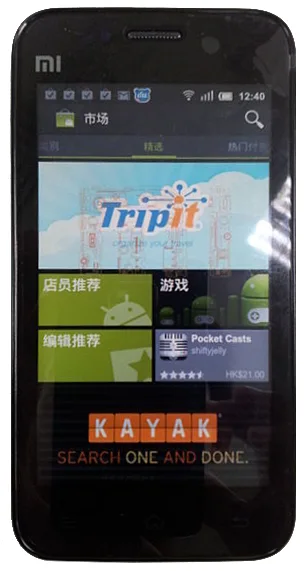














 Colombia
 Cyprus

 Czech Republic

 Denmark

 Egypt
 Finland
 France
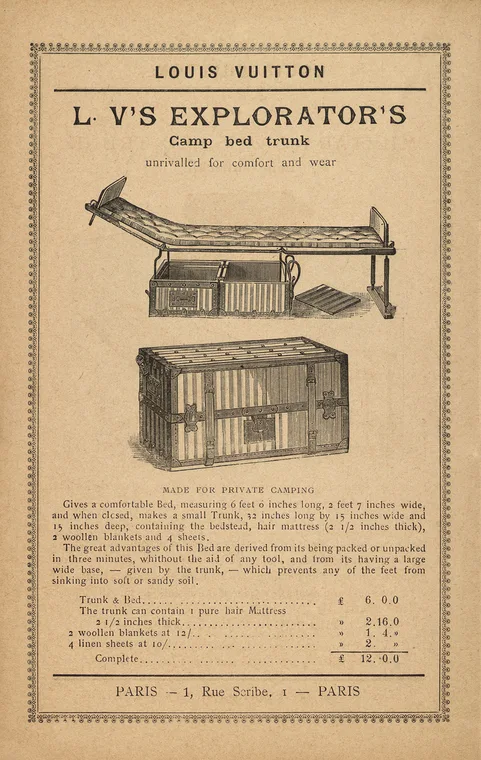



 Georgia
 Germany





 Greece
 Hong Kong, China

 Hungary
 India











 Indonesia
 Ireland
 Israel

 Italy


 Japan

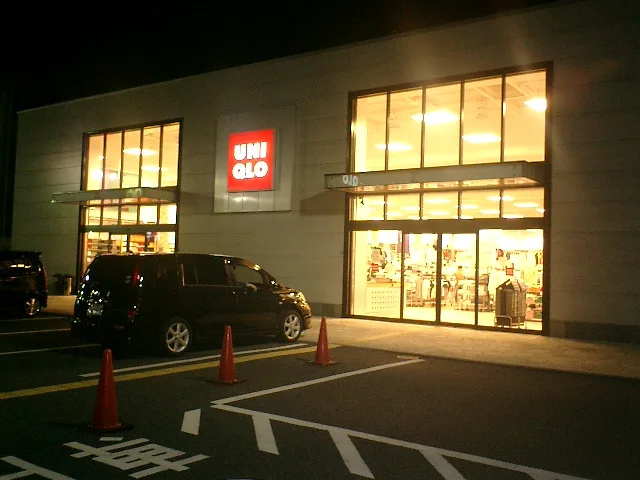



 Kazakhstan
 Kuwait
 Lebanon
 Liechtenstein
 Malaysia
 Mexico


 Monaco



 Morocco
 Nepal
 Netherlands


 New Zealand
 Nigeria
 Norway
 Oman
 Peru
 Philippines

 Poland
 Portugal
 Qatar

 Romania
 Russia



 Saudi Arabia
 Singapore


 South Africa
 South Korea





 Spain
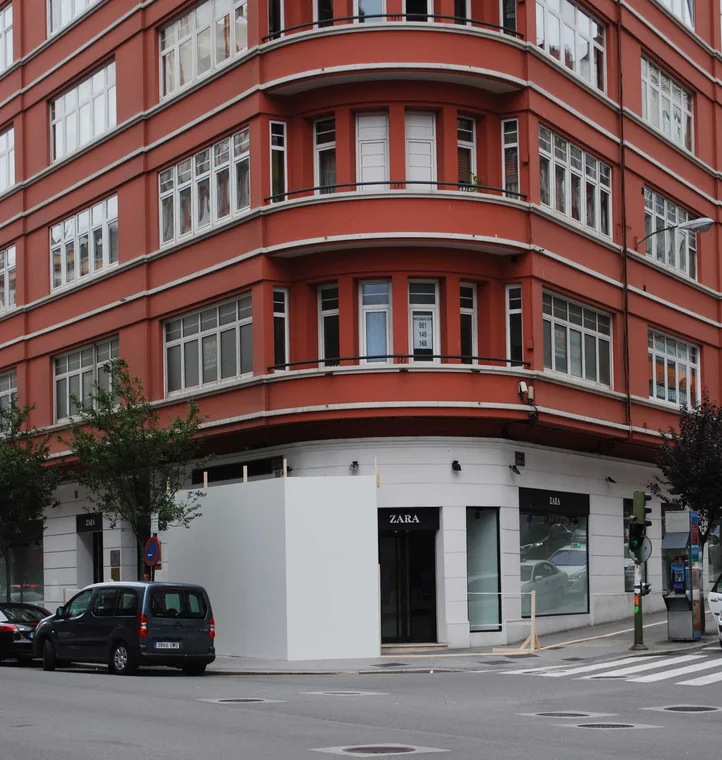

 Sweden



 Switzerland

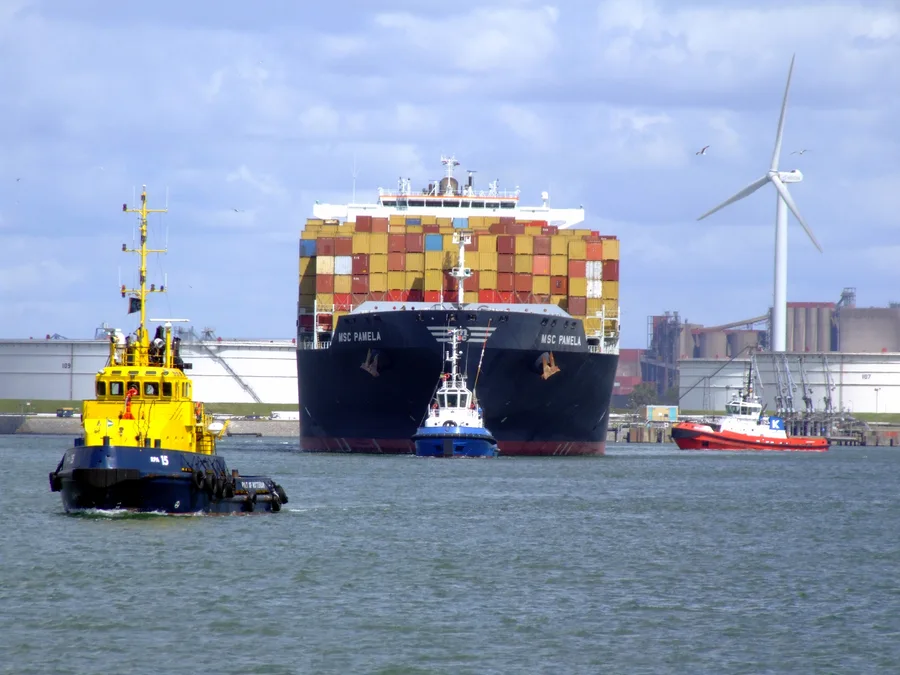




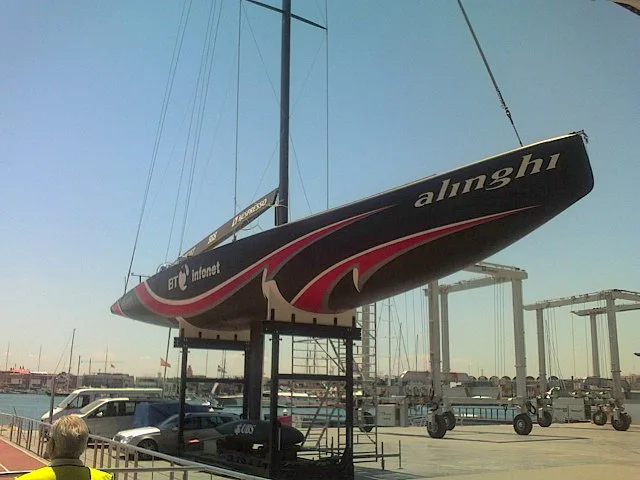


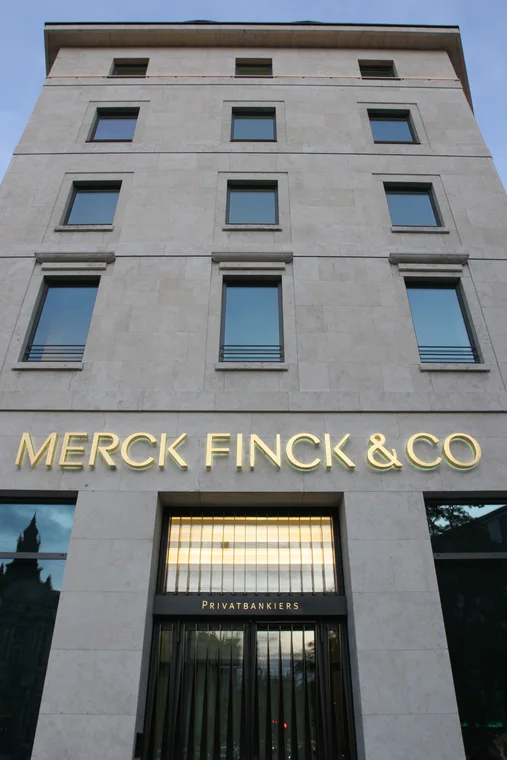

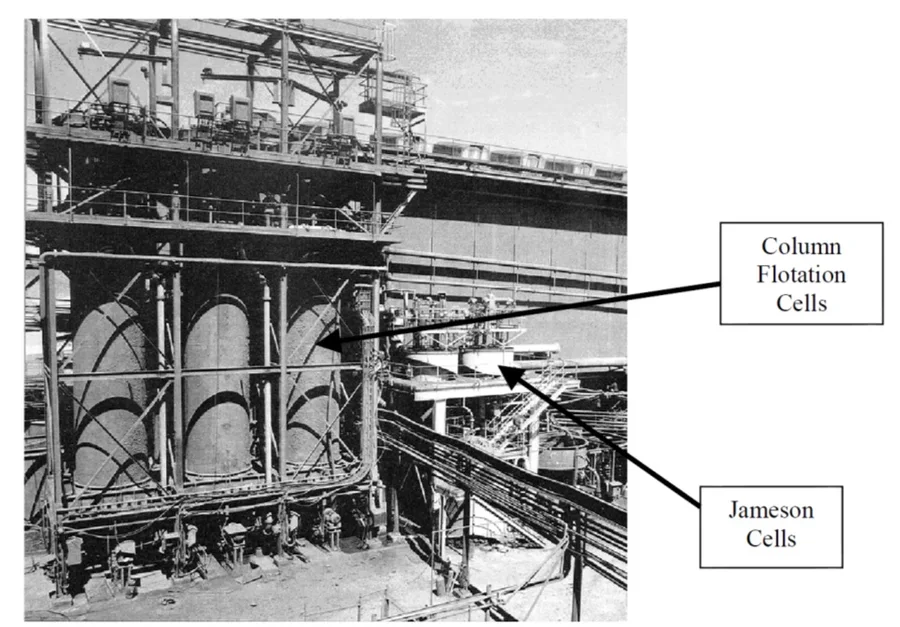





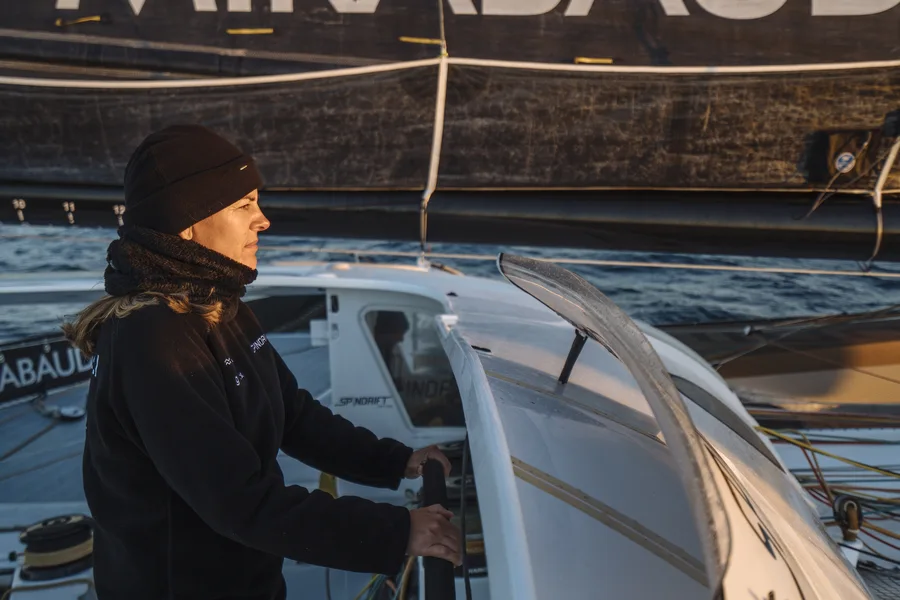


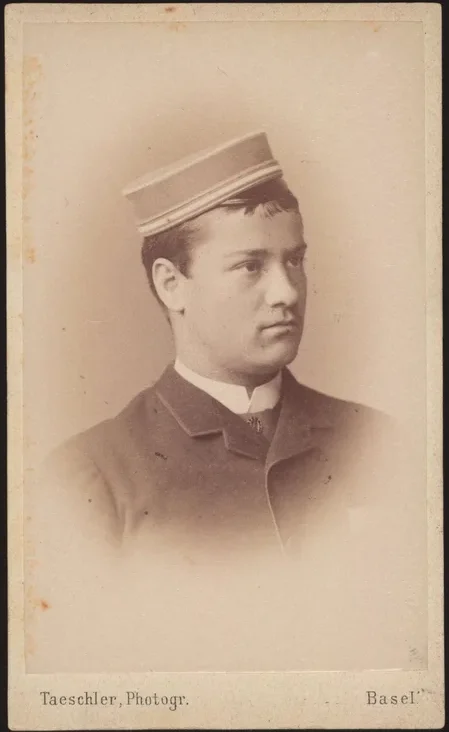





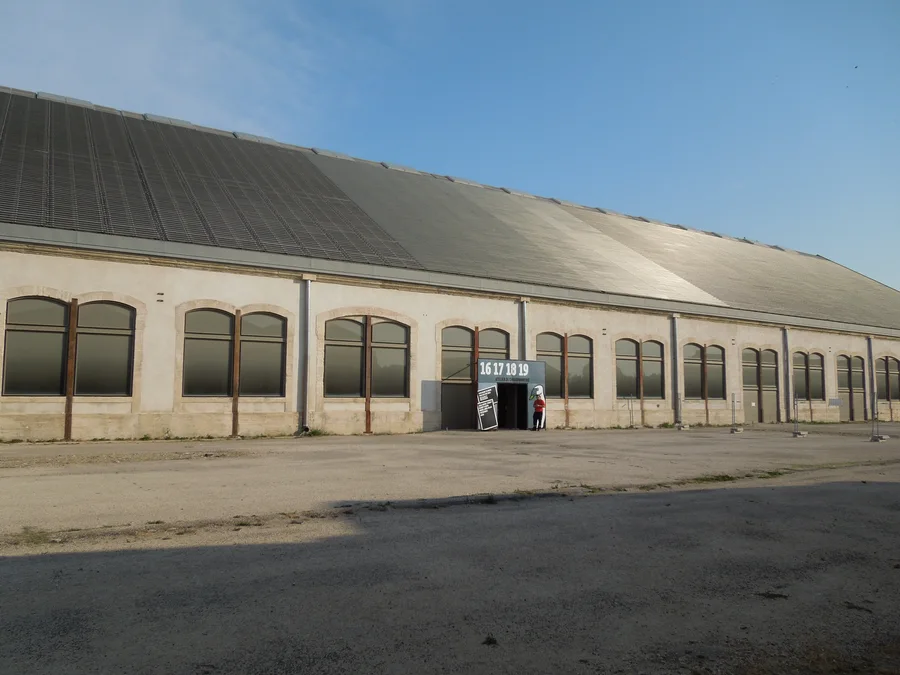


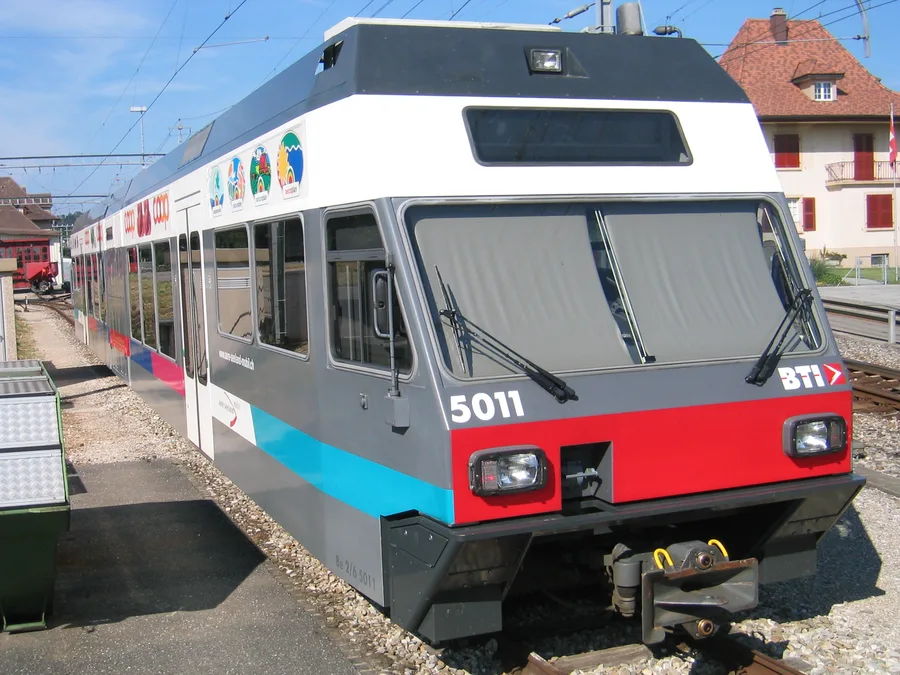


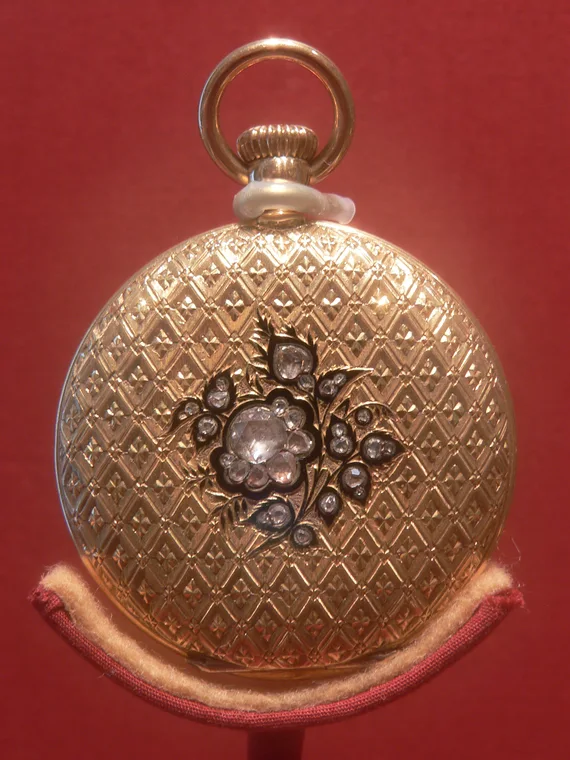


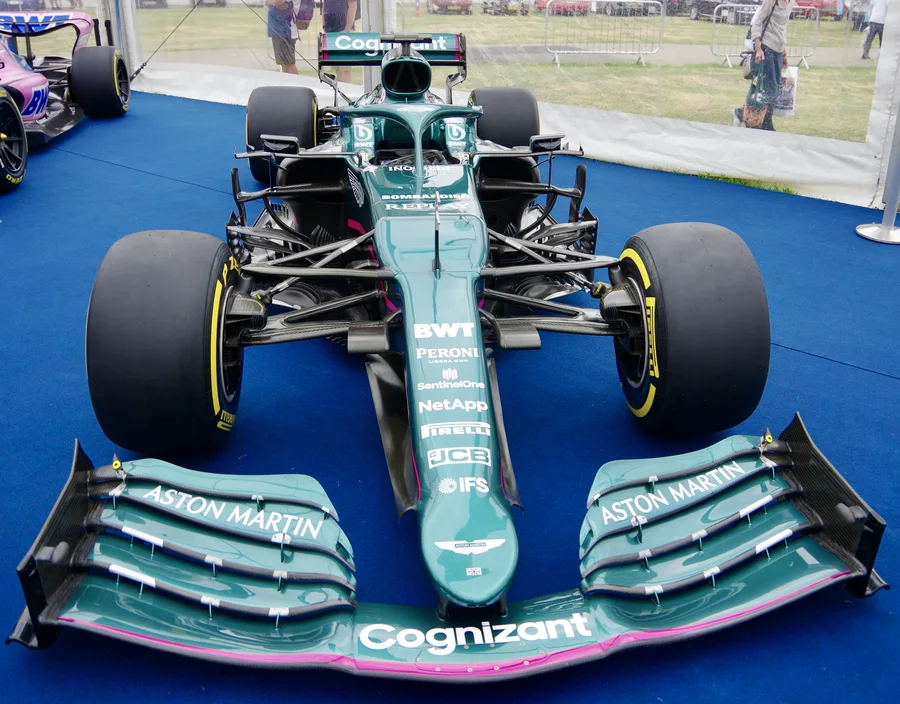



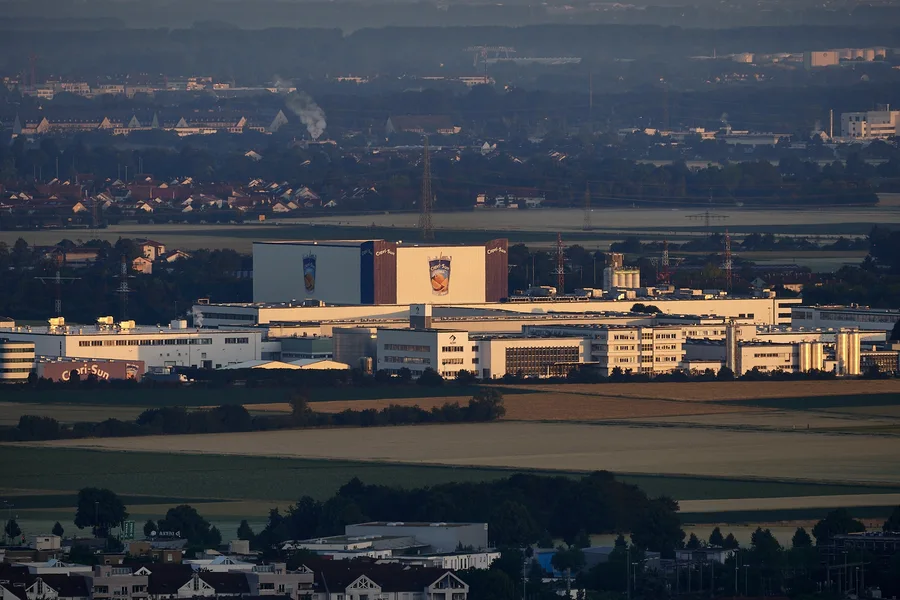



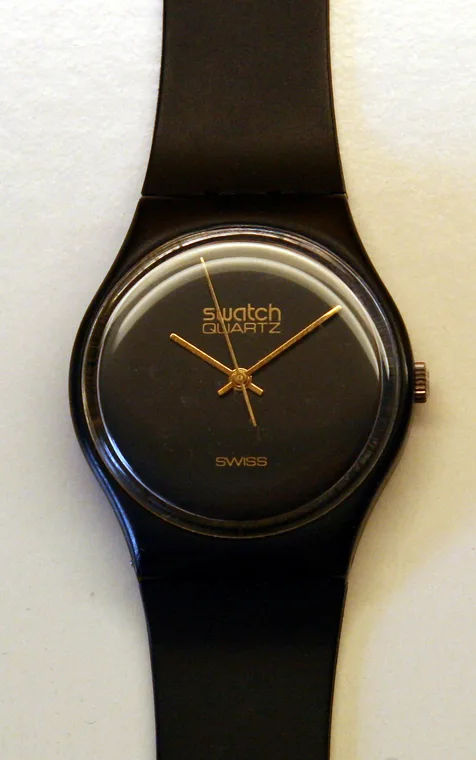














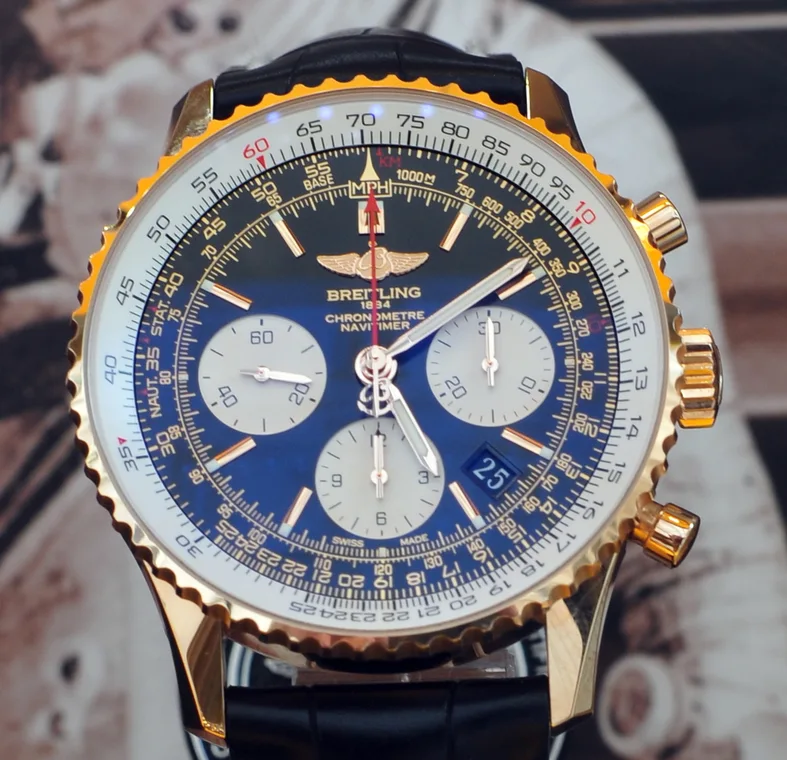
 Taiwan


 Tanzania
 Thailand
 Turkey


 Ukraine
 United Arab Emirates

 United Kingdom




 United States

















































 Venezuela
 Vietnam